
Greek marinated chicken thighs are dark meat cuts soaked in lemon, olive oil, garlic, and oregano before cooking by oven, grill, or broiler. The acid that tenderizes them also turns them mushy if you push past three hours. At Opa!, I kept a sharpie mark on every cambro: time written, acid content noted, no guessing which batch was which.
Greek Chicken Marinade

The marinade that carried fifteen years of service at Opa! starts with four or five cloves of garlic, the juice of one lemon, a third cup of olive oil, two teaspoons of dried oregano, and a teaspoon of paprika. Those proportions stayed fixed because they work: the oil carries fat-soluble flavor into the meat, the acid tenderizes without stripping moisture, and the oregano gives that specific Greek note that dried actually handles better than fresh for long contact.
Lemon-heavy versions need a hard stop at three hours. Past that point, the acid over-tenderizes thigh meat into something mushy and faintly gamey. One to two hours hits the sweet spot for flavor penetration with structure intact. If your schedule only allows a quick turn, even an hour gets you something worth cooking; the full eight-hour window works only when you ease back on the lemon or skip it entirely for a straight oil-and-herb approach. I kept a sharpie mark on every cambro in the walk-in: time written, acid content noted, no guessing which batch was which.
Recommended Products


Fresh Chicken Boneless, Skinless Thighs

Meets standards for animal welfare, feed, and more, so you can know about what you're buying (and eating)
Yogurt Marinade

Yogurt changes the chemistry entirely. Where oil carries flavor across the surface, plain yogurt‘s lactic acid and calcium work into the meat itself, breaking down proteins and collagen for a tenderness you feel with a fork rather than a knife. The same marinade with lemon, garlic, and oregano sits on the chicken for hours instead of minutes, and the window stretches safely to 24 hours without the vinegar bite turning mushy.
Most recipes calling for Greek yogurt leave the amount vague, which matters more than you’d think. Greek yogurt’s thickness means the marinade coats in clumps rather than a film; at the restaurant, we found a roughly one-to-one ratio of yogurt to lemon juice by volume gave enough looseness to cover evenly without dripping off. Regular plain yogurt has more moisture and flows better, though Greek works if that’s what the refrigerator holds. Either way, the yogurt layer should look like a thin frosting, not a paste.
The tradeoff is browning. Yogurt sugars help with caramelization on a hot grill or under a broiler, but excess marinade left pooled on the surface steams instead of sears. Scrape off what drips, and don’t pour the used marinade over the chicken a second time.
Recommended Products

Seasoning & Sauce Mixes for Greek style gyros with tzatziki sauce


Seasoning & Sauce Mixes for Greek style gyros with tzatziki sauce
Oven Baked Greek Chicken Thighs

Boneless, skinless chicken thighs hit the oven at 425°F for 20–25 minutes, which is faster than most cuts and forgiving enough that a two-minute overshoot won’t punish you. Breasts turn stringy fast; thighs stay moist because the fat and connective tissue buffer the heat. I line a baking sheet with foil, spread the marinated thighs with space between them, and rotate the pan at the ten-minute mark since my back left corner runs hot. The done pan shows browned edges, a little rendered fat pooling, and an internal temperature of 165°F on an instant-read thermometer. Overdone thighs go gray at the margins, the juices dry to a sticky film, and the garlic in the marinade burns bitter. Pull at 165°F and let them rest five minutes; the temperature will climb a few degrees more, and the juices settle back into the meat instead of running across your cutting board.
Recommended Products

Meets standards for animal welfare, feed, and more, so you can know about what you're buying (and eating)

No Antibiotics Ever

One value pack tray of bone-in, skin-on chicken thighs weighing between 4 and 6 pounds
Grilled Greek Chicken Thighs

Grilling marinated chicken thighs means managing fat and fire at the same time. The olive oil in Greek marinade drips, flares, and leaves soot if you let it. I set up a two-zone fire: direct heat for the sear, indirect for finishing. Bone-in thighs handle this better than boneless. The bone slows the cook just enough that the exterior crisps before the interior dries out, and the thicker cut holds its shape when you flip it. Boneless thighs often curl or fall through the grates.
Start skin-side down over direct heat, about 5 minutes. When the fat renders and the skin releases on its own, turn. Move the thighs to indirect heat if the flames climb, and finish at 165°F internal, pulling at 160°F if you tented under foil; the carryover gets you there. Boneless will read done faster, sometimes 20 minutes total, but the texture suffers without that buffer the bone provides.
Recommended Products


Meets standards for animal welfare, feed, and more, so you can know about what you're buying (and eating)

Meets standards for animal welfare, feed, and more, so you can know about what you're buying (and eating)
Broiled Greek Chicken Thighs

The hybrid method of baking then broiling became my weeknight default after the restaurant closed and the home grill sat under a tarp, out of propane again. I set the thighs on a wire rack over a sheet pan, roast them through at moderate heat, then shift the pan to the top rack and broil just long enough for the fat to char and the oregano to toast. That last part demands your attention. The broiler’s intensity turns paprika from fragrant to acrid in under a minute if you step away to fold laundry or answer a text. I pull the oven door open a crack and watch the surface bubble and spot, rotating the pan once for even coverage. The result carries enough of that grilled bitterness to satisfy the memory of the restaurant line, without the setup or the weather.
Marinating Time

Thirty minutes in the fridge will get you enough flavor to call it dinner, which is what most weeknights allow. The lemon and yogurt do their work quickly, and dark meat forgives a short soak better than breast meat ever could.
Push past two hours and the payoff is real, but acidic marinades with lemon juice should not exceed 3 hours. The citric acid unwinds the proteins too aggressively after that point, and the texture turns from tender to outright mushy. You will know you have gone too far when the meat feels slick and almost mealy raw, then cooks up with a strange, loose grain that no amount of browning fixes.
Yogurt changes the equation entirely. The lactic acid and calcium work more gently than straight lemon, breaking down proteins and collagen without the same harsh snap. That thicker base also buffers the meat, so yogurt-based Greek marinades can sit for 4 to 12 hours without trouble, and up to 24 hours is still safe. The texture stays intact, and the chicken takes on more depth the longer it rests.
Recommended Products


One 2.5 lb. package of individually frozen Boneless Skinless Chicken Thighs

Meets standards for animal welfare, feed, and more, so you can know about what you're buying (and eating)
Cooking Methods

A Greek marinade with lemon and yogurt wants high, fast heat. 425°F in the oven browns the surface before the acid turns the meat mealy, and the same principle holds on a grill: start high to sear the marinade onto the chicken rather than letting it warm into a pale coating. A foil-lined sheet pan makes cleanup fast, and 20–25 minutes usually gets boneless thighs to 165°F internally.
| Method | Heat | Position/Setup | Best For |
|---|---|---|---|
| Oven | 425°F | Center rack, foil-lined pan | Even browning, easy cleanup |
| Grill | High direct | Oiled grates | Charred edges, outdoor cooking |
| Broiler | High | 6–8 inches below element | Quick finish, crisp skin |
Air fryers and slow cookers are less suited here. The air fryer’s circulating heat tends to over-caramelize the yogurt and lemon before the thigh cooks through, leaving bitter spots. Slow cooking is worse: the long, wet heat lets the marinade’s acid break down the meat too far, and the skin ends up flabby rather than crisp. Stick to the three above.
Recommended Products


Authentic Mediterranean Flavor: Inspired by traditional Greek recipes, this Greek seasoning blend brings the taste of Greece to your kitchen.

Made with real honey, bourbon, garlic and spices like clove & chipotle pepper
Boneless versus Bone-In Thighs

Boneless thighs work fine in any Greek marinade, but they cook faster and need closer attention. Start checking them around 20 to 25 minutes in a 425°F oven, roughly 5 to 8 minutes sooner than bone-in depending on thickness. The bone insulates and slows heat, so without it the outer meat can tighten before the center catches up. Thighs stay forgiving even a little past 165°F, though boneless ones have less buffer, so pulling right at temperature matters more. A thin probe thermometer slipped into the thickest part, avoiding any pocket where marinade pooled, tells the story in either case.
Recommended Products
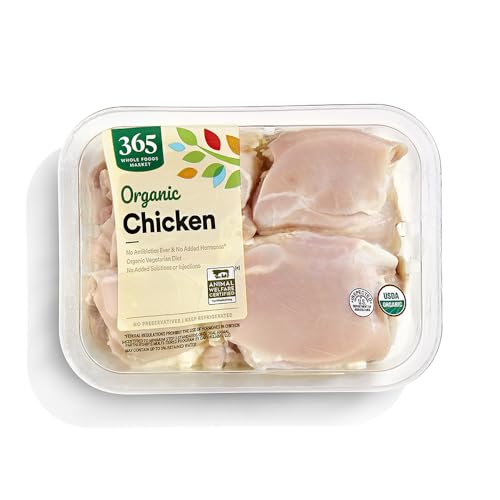
365 by Whole Foods Market products give you that dance-down-the-aisles feeling, virtual aisles too! Our huge range of choices with premium ingredients at prices you can get down with makes grocery shopping so much more than tossing the basics in your cart.

Meets standards for animal welfare, feed, and more, so you can know about what you're buying (and eating)
What to Serve With Greek Chicken

A Greek salad is the first thing most people reach for, and the kitchen at Opa! was no different. The sharpness of tomato and red onion, plus a little red-wine vinegar in the dressing, cuts through the fat in marinated chicken thighs so the bite stays bright instead of heavy. We plated that combination hundreds of times.
Tzatziki served the same purpose with yogurt and cucumber cooling down the garlic and lemon in the marinade. Rice or pita underneath did the opposite job, soaking up the juices that run off the chicken so nothing was wasted. The starch also stretches the meal; a batch from 1.5 to 2 pounds of bone-in thighs feeds 4 to 6 people once you add a salad and bread, or 3 to 4 if you are keeping it to chicken and one side.
For a full platter, warm pita, olives, cucumbers, tomatoes, and feta turn the chicken into a meze-style spread that feels generous without extra cooking. Leftovers slice neatly into wraps or over a bowl of lemon rice the next day.
Recommended Products

All items from the Whole Foods Market Prepared Foods department are held to high ingredient standards, so you can feel good about what you’re buying (and eating). Here’s what you can count on with this selection:
This item is typically available for pickup/delivery between 10am-6pm

Authentic Greek Herb Blend – Classic Mediterranean seasoning crafted with fragrant herbs to deliver bright, savoury Greek flavour to any dish.
Fresh Herbs and Ingredient Swaps

Dried oregano is the one herb that really carries the Greek profile, and it’s worth keeping a jar labeled "Greek oregano" rather than the generic Italian kind. The difference is noticeable once you start tasting side by side: Greek oregano reads sharper, almost piney, where Italian tends softer and sweeter. During the restaurant years, supply chain gaps forced us into substitutions more often than I’d like to admit. Swapping red wine vinegar for lemon when citrus prices spiked worked fine; the acid still tenderizes and brightens. But dried dill in place of fresh flattened the yogurt marinade into something one-dimensional, and garlic powder instead of pressed cloves left a dusty aftertaste that no amount of lemon could lift. Fresh parsley and dill are worth buying when you can; if the bunch wilts before you use it, freeze the stems for stock and chop the leaves into the marinade same-day. Thyme holds up better dried than most herbs, so that swap is forgivable. The real lesson from those substitution weeks: protect the oregano and the fresh alliums. Everything else is negotiable.
Frequently Asked Questions
How long can you marinate chicken in lemon juice?
Acidic marinades with lemon juice should not exceed 3 hours. Past that point, the citric acid over-tenderizes thigh meat into a mushy, faintly gamey texture. One to two hours hits the sweet spot for flavor penetration with structure intact.
What to serve with Greek chicken?
Greek salad, tzatziki, rice, and pita are the classic pairings. The sharpness of tomato and red onion cuts through the fat in the marinated chicken, while rice or pita soaks up the juices. For a fuller spread, add warm pita, olives, cucumbers, tomatoes, and feta.
Can I use boneless chicken thighs instead of bone-in?
Yes, but boneless thighs cook faster and need closer attention. Start checking them around 20 to 25 minutes in a 425°F oven, roughly 5 to 8 minutes sooner than bone-in depending on thickness. The bone insulates and slows heat, so boneless thighs have less buffer and pulling right at 165°F matters more.