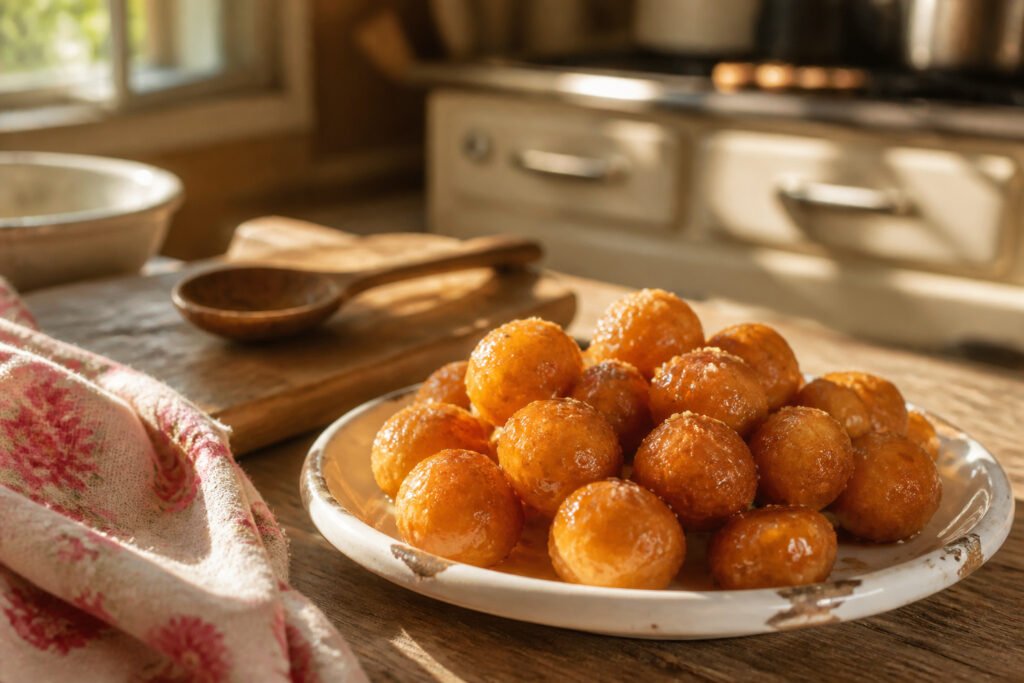
Loukoumades fry up crisp and hollow, then collapse into honey-soaked softness the moment they hit your mouth. The version here skips milk entirely, uses water and a straight yeast dough, and still yields the same light interior we served at Opa! from 2008 to 2025. Total time is about two hours, most of it waiting for the dough to double.
The catch is the yeast: if your kitchen runs cold in winter, the rise stalls out and the dough sits there dead. The oven-with-the-light-on trick fixes this, but you have to know to use it before you start.
What Loukoumades Are and When to Make Them
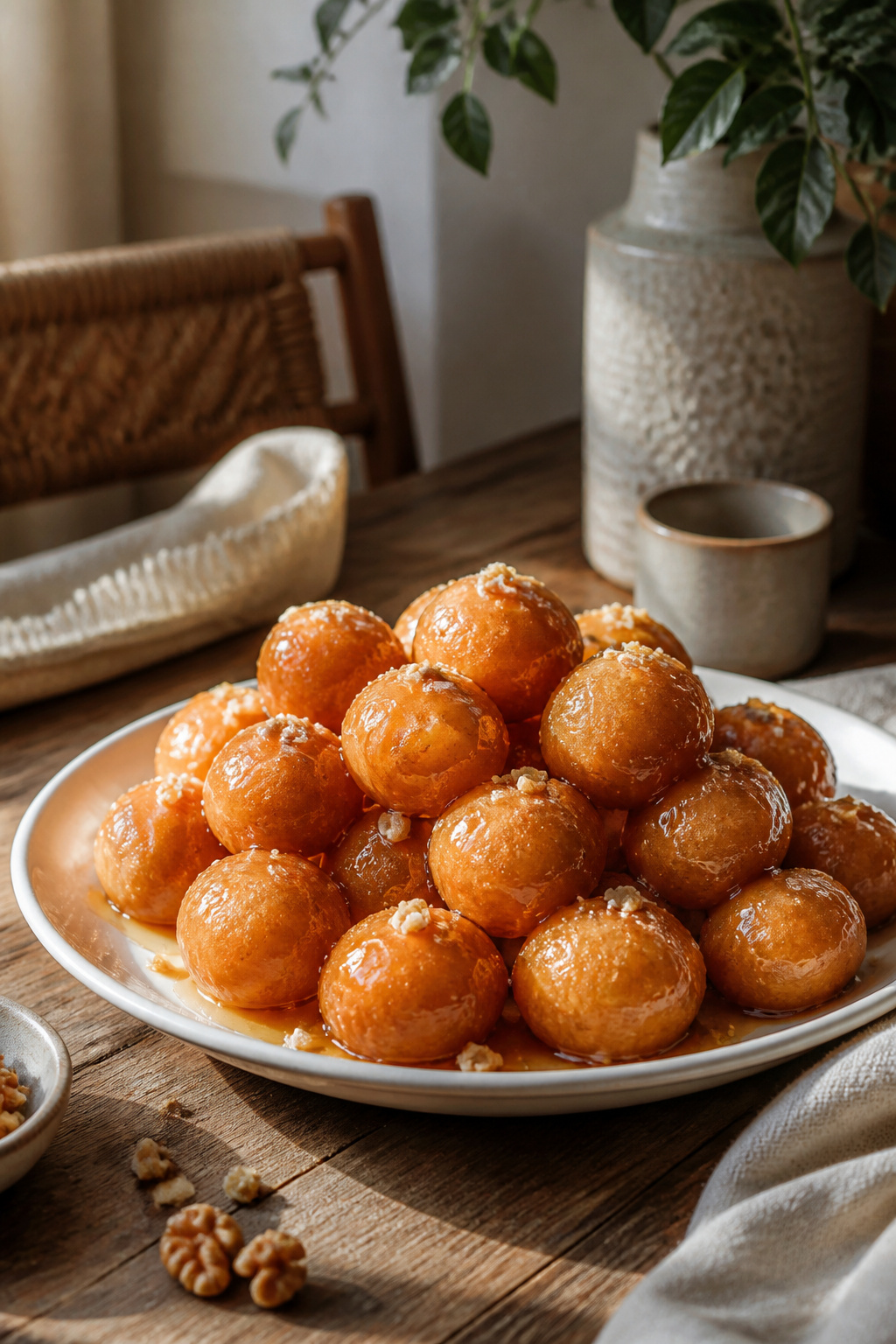
Loukoumades are bite-sized Greek honey donuts made from a simple yeast dough, fried until golden, then soaked in a warm honey syrup. The dough itself is plain, almost like a lean bread dough, and the magic happens in the hot oil and the sweet bath afterward. You drop rough spoonfuls into the fryer, so each one comes out a little lopsided and imperfect, which is exactly the point.
These are not a weeknight dessert. The dough needs about an hour to rise, and the frying is hands-on, so you want a morning when you are not rushing out the door. Weekend brunches, Greek Easter, or the kind of lazy Sunday when people wander into the kitchen looking for coffee and stay for the syrup, those are the right moments. At Opa!, we had them on the menu from 2008 through 2025, and the orders always spiked on holidays and slow afternoons when guests had time to linger. The same rule applies at home: make them when you have people to feed and no place to be.
Recommended Products

RABBIT CREEK DONUTS – With easy to make donut baking mixes from Rabbit Creek, you can enjoy specialty donuts at home that are baked instead of fried! Made in the USA

RABBIT CREEK DONUTS – With easy to make donut baking mixes from Rabbit Creek, you can enjoy specialty donuts at home that are baked instead of fried! Made in the USA

RABBIT CREEK DONUTS – With easy to make donut baking mixes from Rabbit Creek, you can enjoy specialty donuts at home that are baked instead of fried! Made in the USA
Activate the Yeast
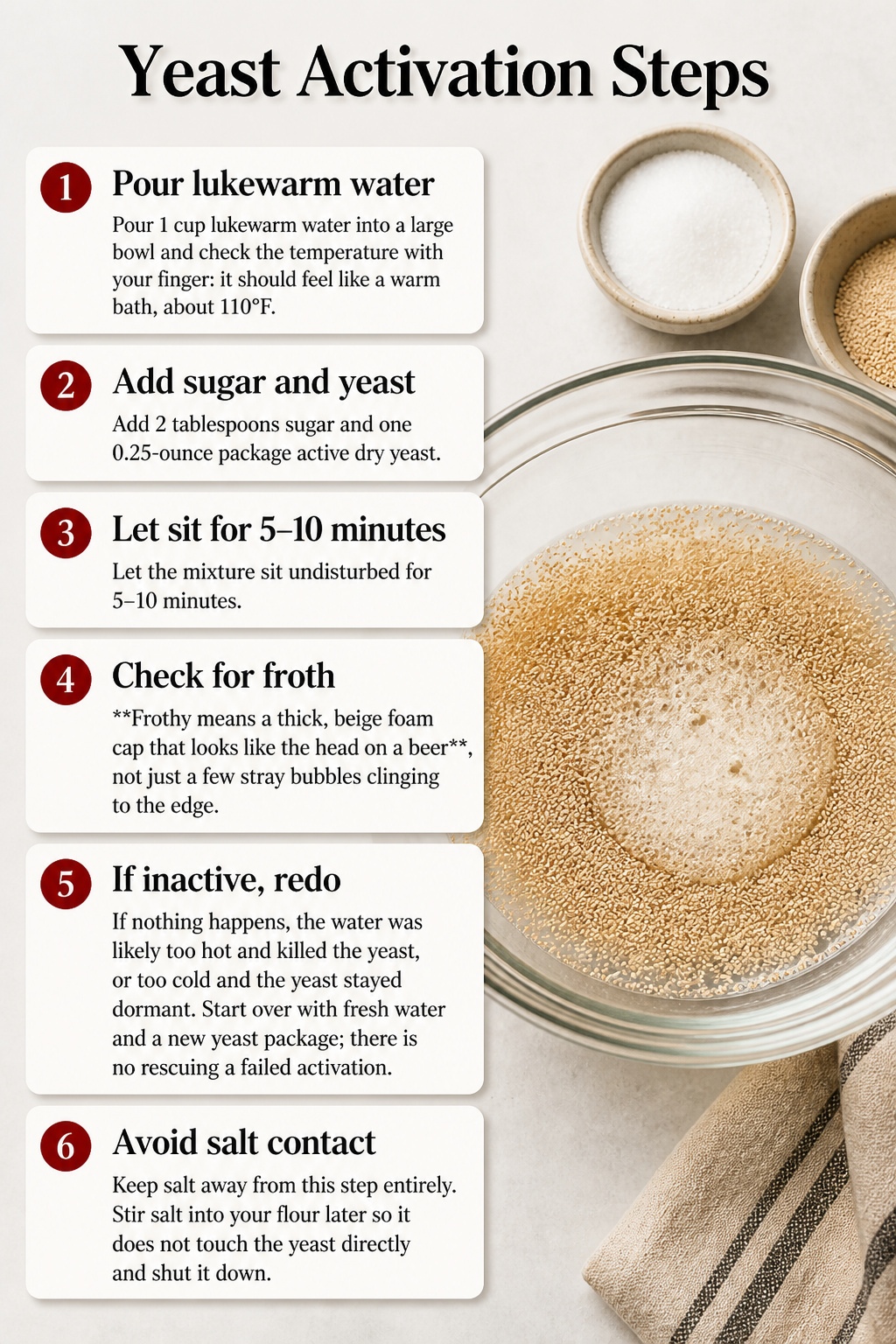
- Pour 1 cup lukewarm water into a large bowl and check the temperature with your finger: it should feel like a warm bath, about 110°F. Add 2 tablespoons sugar and one 0.25-ounce package active dry yeast.
- Let the mixture sit undisturbed for 5–10 minutes. Frothy means a thick, beige foam cap that looks like the head on a beer, not just a few stray bubbles clinging to the edge.
- If nothing happens, the water was likely too hot and killed the yeast, or too cold and the yeast stayed dormant. Start over with fresh water and a new yeast package; there is no rescuing a failed activation.
- Keep salt away from this step entirely. Stir salt into your flour later so it does not touch the yeast directly and shut it down.
Recommended Products

30-MINUTE HOMEMADE PIZZA: Skip the wait entirely! Use this fast-acting yeast to easily create the perfect homemade pizza dough in just 30 minutes with absolutely no rise time required.
![One in a Mill Instant Dry Yeast | 1.1 LB (Pack Of 1) [IMPROVED] Fast Acting Self Rising Yeast for Baking Bread, Cake, Pizza Dough Crust | Kosher | Quick Rapid Rise Leavening Agent for Pastries](https://m.media-amazon.com/images/I/410rlbBZAvL._SL500_.jpg)
A YEAST THAT WILL RISE TO THE OCCASION: Enjoy baking your favorite breads, doughs, bagels, cakes, and croissants in just half the time! Our rapid rise yeast is carefully milled into the finest granules, enabling it to be easily mixed right into the ingredients without the needing for pre-hydration.

Prepare the Dough

- Mix 2 cups all-purpose flour, ½ teaspoon salt, and 2 tablespoons sugar in a large bowl.
- Pour in the yeast mixture and mix with your hands until a sticky, uniform dough forms and no dry flour remains. The dough will cling heavily to your fingers; this is exactly where it needs to be.
- Resist the urge to add more flour to your hands. Extra flour tightens the dough and throws off the texture; greased hands work better if you need to handle it at all.
- Some recipes add milk or almond milk for a richer, softer crumb. I skip it on weeknights. The water-based dough still fries up light and hollow, and it saves a check of the dairy drawer and an extra measuring cup to wash.
Recommended Products

FRY FOR THE FAMILY: Great for a hungry crowd, this fryer’s 4.5-liter capacity fries large portions of French fries, doughnuts, fried chicken, homemade chips, mozzarella sticks, and more. Throwing a party, having the holidays at your house or just have a love fried food. Make sure this fryer is a part of your cooking plans.

HIGH PERFORMANCE – Powered by a 1500W heating element that heats up quickly and maintains a constant temperature, ensuring your food is fried to perfection. With a 2L (68 oz) capacity and a viewing window, you can easily monitor the frying process for that perfect finish. The locking lid prevents hot oil splatters or spills, while the replaceable filters effectively eliminate unwanted grease and oil odors for a cleaner, more pleasant cooking experience.

COMPACT KITCHEN DEEP FRYER: Perfect for small spaces, this Presto deep fryer makes four servings of french fries with just four cups of oil, making it an efficient and space-saving addition to any kitchen.
Let the Dough Rise
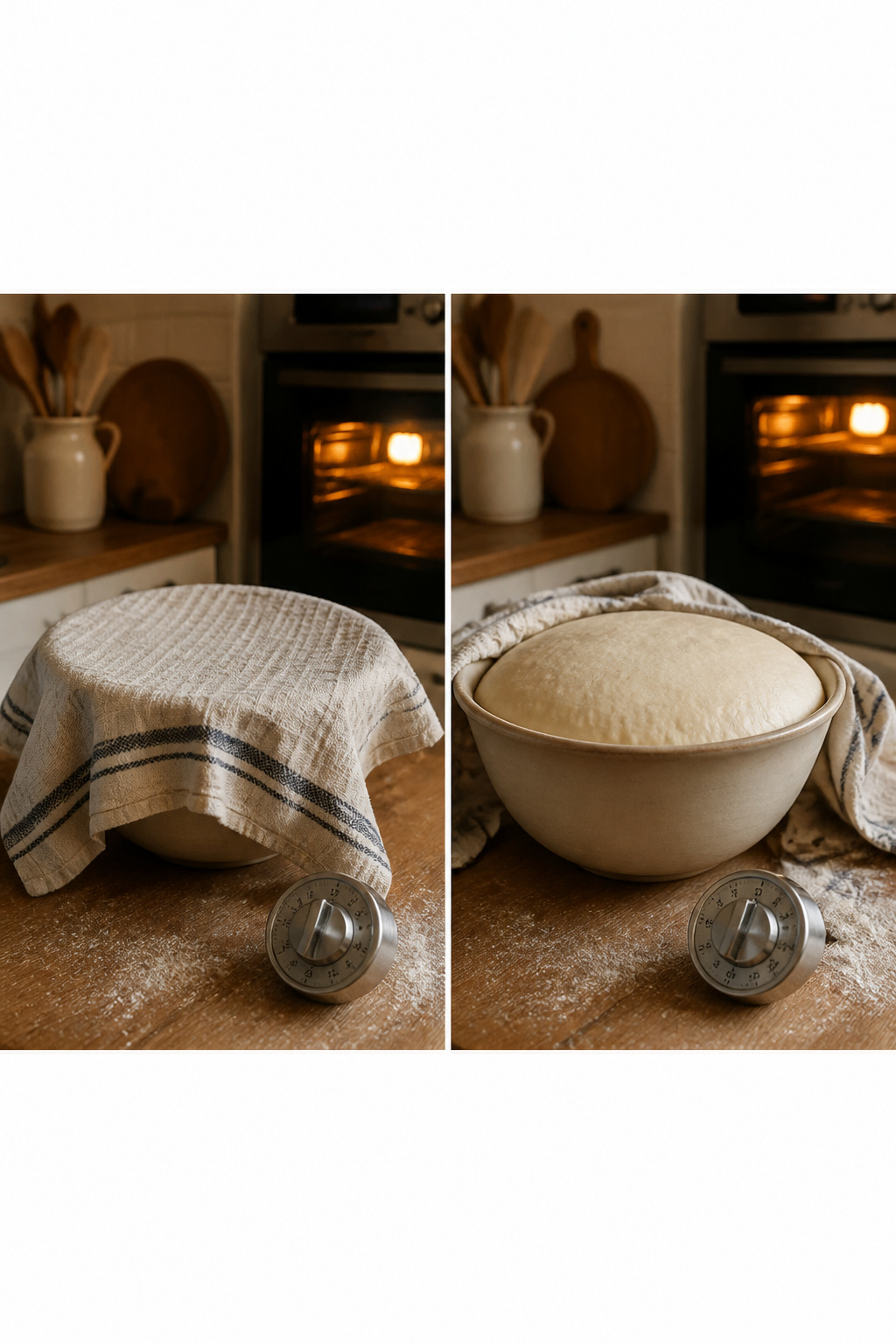
- Cover the bowl with plastic wrap and a dish towel. The towel traps a little extra warmth and keeps the wrap from sliding off if the dough pushes up against it.
- Set the bowl somewhere that holds steady at roughly 75–80°F. Volume matters more than clock time: the dough needs to double, which usually takes 1–2 hours in a warm kitchen but can stretch longer if your counters run cold.
- In a 65°F January kitchen, the dough barely moves. The fix is the oven-with-the-light-on trick: turn the oven light on and set the bowl inside. No need to run the oven itself; the bulb gives off just enough heat to keep the yeast active.
- Look for bubbles on the surface of the risen dough. That bubbling tells you the yeast has done its work and the dough is ready to fry. If the volume has doubled but the surface looks smooth, give it another ten minutes and check again.
Recommended Products

DaVinci Gourmet Honey Syrup features an earthy and rich taste with a soft lingering sweetness and a touch of citrus; Pairs well with apple, almond, gin, ginger, cinnamon, lemon and carrot

Made with Organic Honey

GREAT FOR TEAS, LEMONADES, COCKTAILS, & COFFEE: Our Honey Syrup is the perfect balance of warm honey flavor and subtle sweetness, making for delicious teas, lemonades, specialty cocktails, coffee drinks, and more.
Heat the Oil
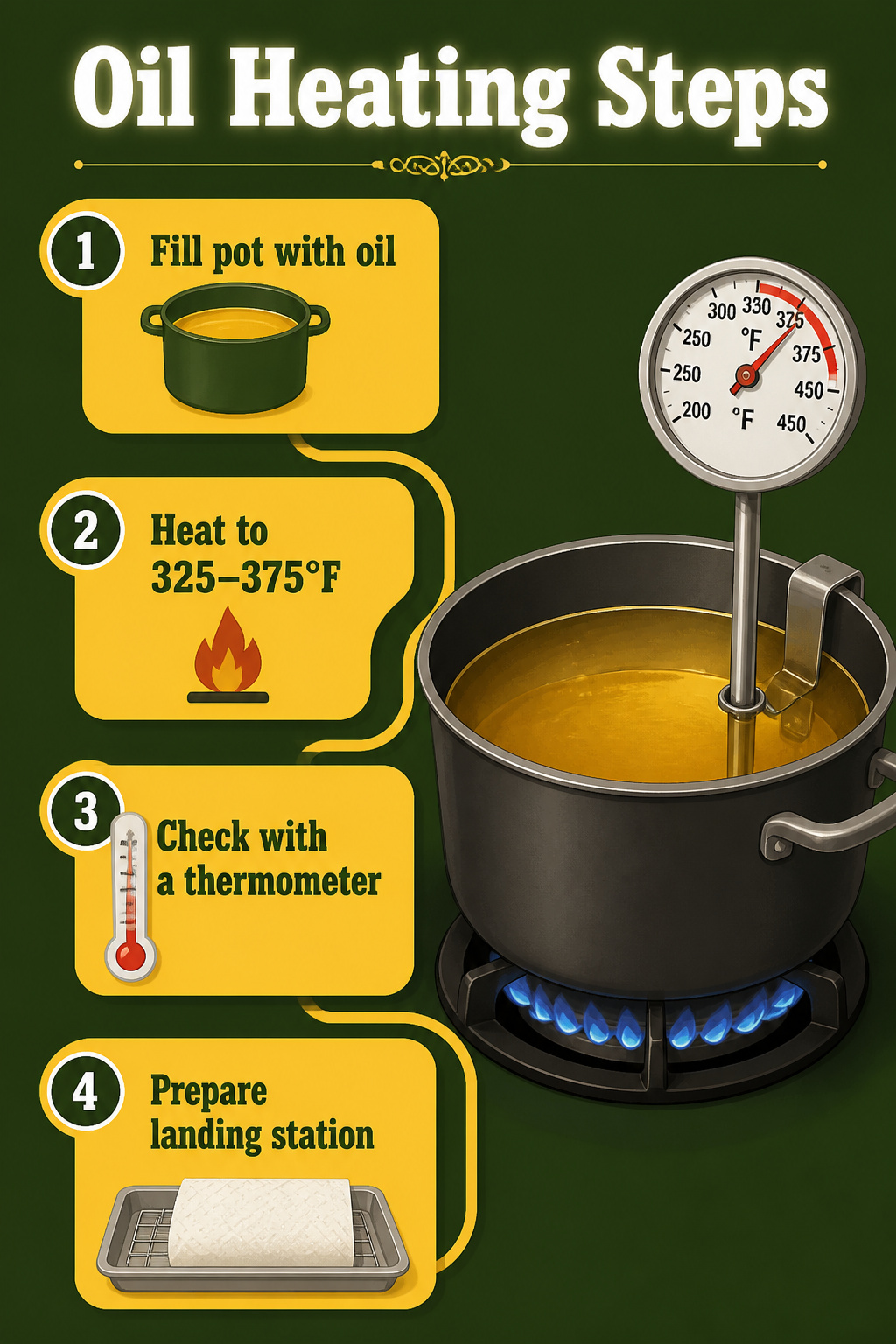
- Fill a medium pot about a quarter of the way with vegetable, canola, or light olive oil. 325–375°F is the window that matters: below it, the dough soaks up grease before it sets; above it, the outside scorches or even bursts while the center stays raw.
- A thermometer clipped to the pot is the safer bet, especially since you will be adjusting the burner up and down to hold the line. If you do not own one, dip the handle end of a wooden spoon into the oil: steady, small bubbles mean you are in range. Erratic violent bubbling or none at all means you are outside it.
- Keep the landing station ready before the first batch hits the oil. A sheet tray lined with paper towels or a wire rack gives the loukoumades somewhere to drain the moment they come out, which is the difference between crisp and leaden.
Recommended Products

RABBIT CREEK DONUTS – With easy to make donut baking mixes from Rabbit Creek, you can enjoy specialty donuts at home that are baked instead of fried! Made in the USA

HEAVENLY CINNAMON INFUSION: Drizzle your meals with divine delight using Flavor God Buttery Cinnamon Roll Topper. This sweet and savory topper transports your taste buds to a world of freshly baked, glazed cinnamon rolls, infusing each bite with irresistible flavor

RABBIT CREEK DONUTS – With easy to make donut baking mixes from Rabbit Creek, you can enjoy specialty donuts at home that are baked instead of fried! Made in the USA
Shape and Fry
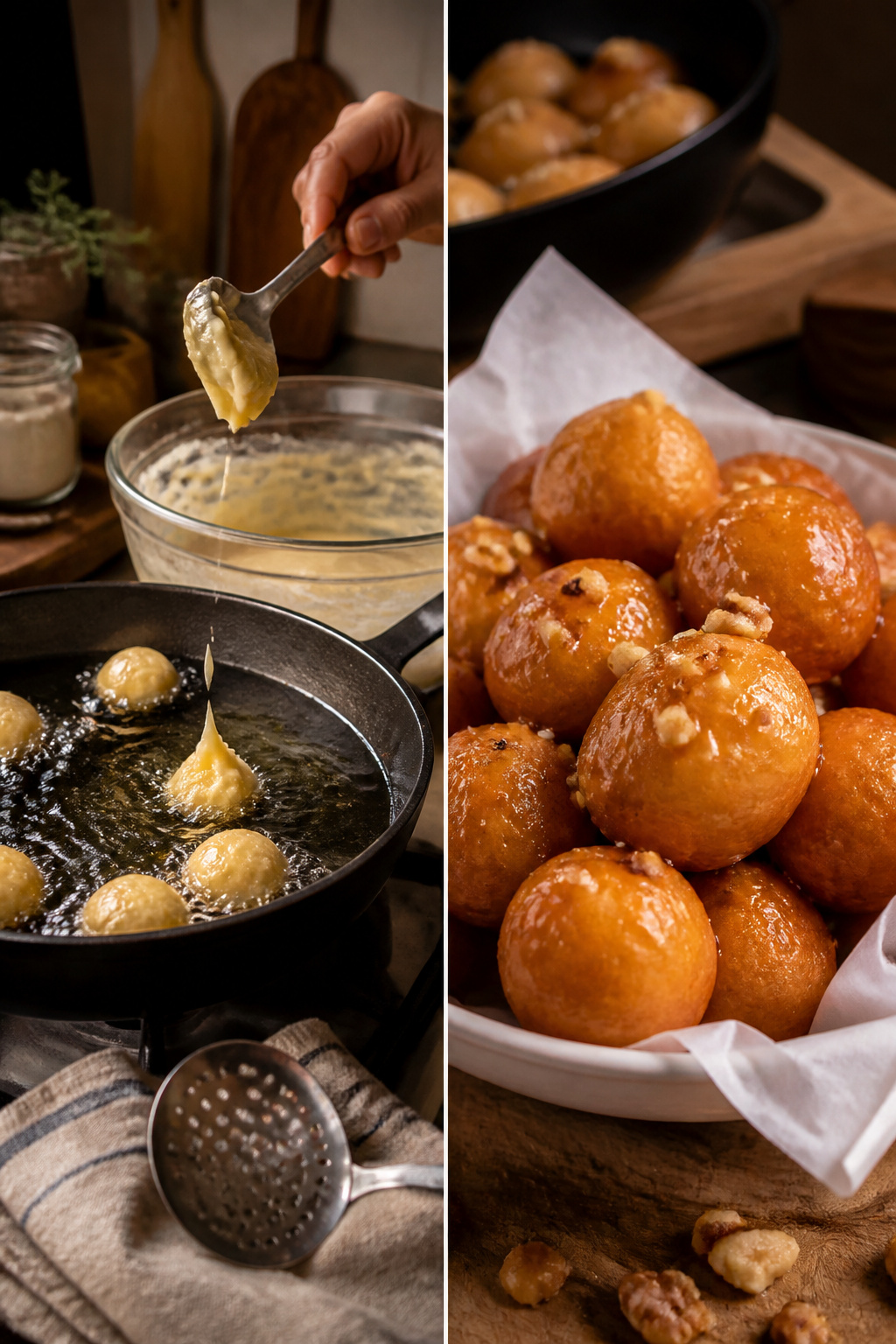
- Oil your hands or two spoons before touching the dough; it is very sticky. Scoop and drop walnut-sized balls, not golf-ball, into the hot oil. Imperfect shapes still cook fine.
- Fry about 2–3 minutes per side, turning as needed, until golden brown. A slotted spoon works best for turning and lifting.
- Transfer to paper towels or a wire rack to drain.
- Two things make the dough explode in the oil: temperature too high, or the ball too dense from overworking. Keep the heat steady and the shaping light.
Recommended Products

A YEAST THAT WILL RISE TO THE OCCASION: Enjoy baking your favorite breads, doughs, bagels, cakes, and croissants in just half the time! Our rapid rise yeast is carefully milled into the finest granules, enabling it to be easily mixed right into the ingredients without the needing for pre-hydration.
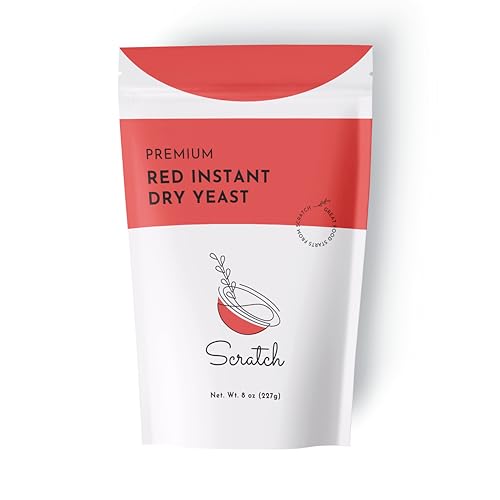
Everyday Baking Yeast – Reliable rise and dependable texture for classic breads, rolls, and sandwich loaves

PERFECT FOR SWEET DOUGHS WHERE STANDARD YEAST FALLS SHORT Designed specifically for enriched doughs containing higher amounts of sugar and butter, Bakers Club Gold Instant Dry Yeast delivers stronger fermentation and a more reliable rise for brioche, cinnamon rolls, donuts, challah, sweet breads, and pastries.
Make the Honey Syrup
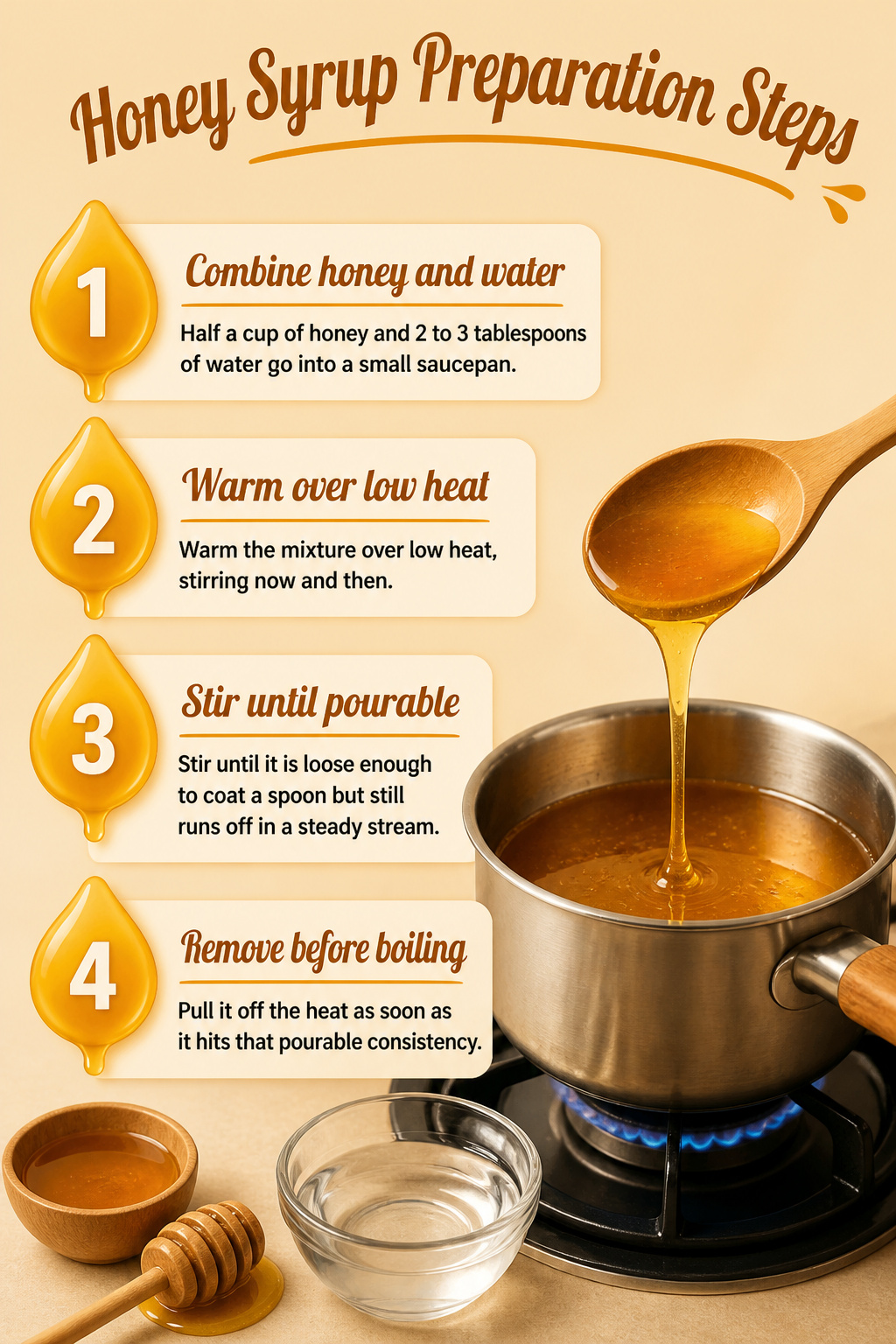
- Half a cup of honey and 2 to 3 tablespoons of water go into a small saucepan. The exact water amount depends on the honey you have. If it pours easily straight from the jar, skip this step entirely.
- Warm the mixture over low heat, stirring now and then, until it is loose enough to coat a spoon but still runs off in a steady stream. Too thick, and it pools on top of the fried dough instead of soaking in. Too thin, and the loukoumades turn soggy before they reach the plate.
- Pull it off the heat as soon as it hits that pourable consistency. It does not need to boil, and leaving it on the burner risks tightening it past the point of no return.
Soak and Serve
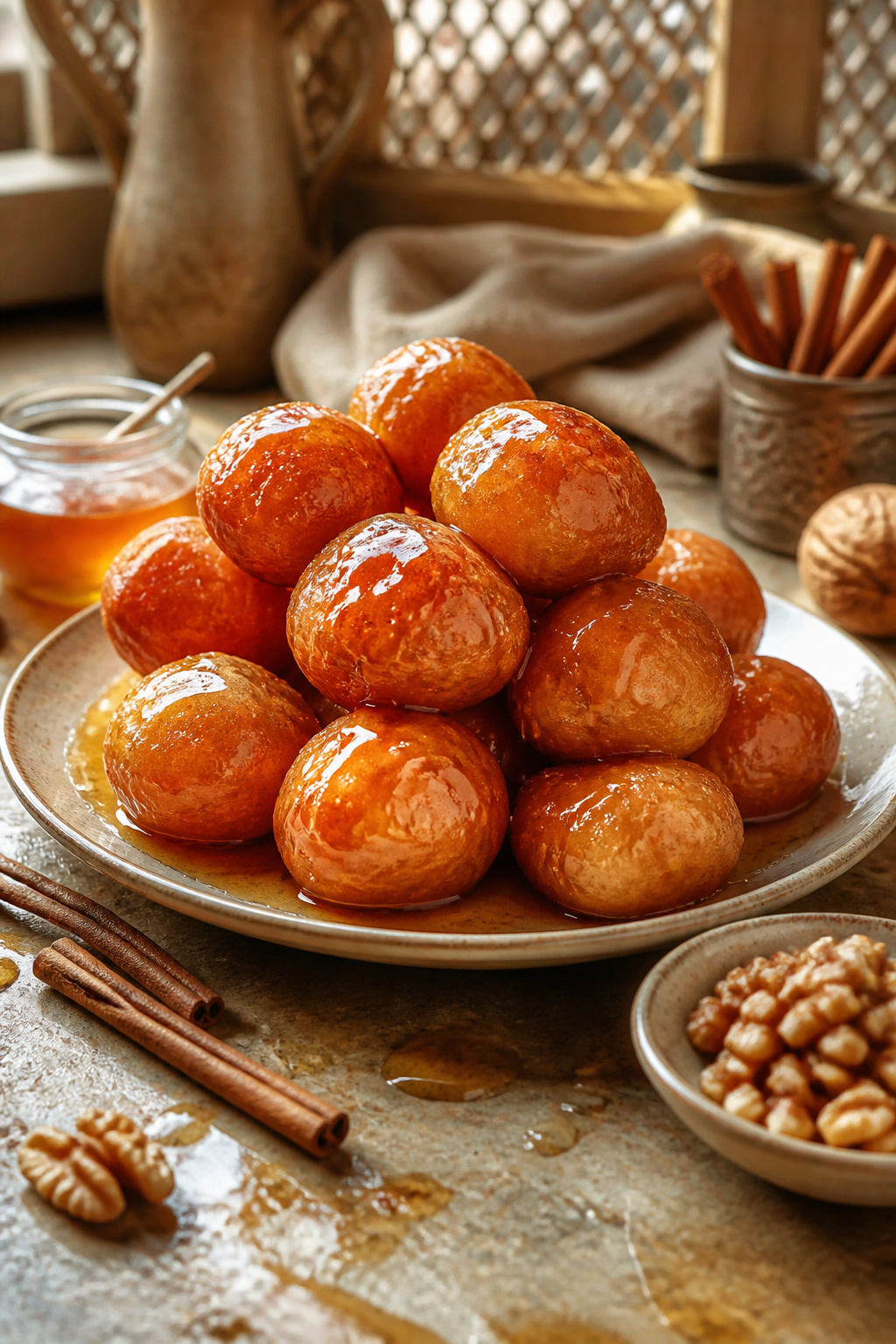
- Toss the warm loukoumades in the honey syrup while they are still hot from the fryer. A slotted spoon works best for this; the holes let excess syrup drain back into the bowl. I give them a gentle turn or two, just enough to coat every surface without crushing the shape.
- Pile them onto a plate while the contrast between crisp shell and soft center still exists. This is not a dessert that waits well; the steam inside collapses the exterior within minutes.
- Finish with cinnamon, chopped walnuts, or both. Some nights I add one, some nights both, depending on what is already out on the counter.
- Serve immediately. At this size, the batch yields 25–30 pieces, which is plenty for four people to share or for two to eat with no leftovers to mourn.
Recommended Products

HANDCRAFTED BY BARTENDERS: Created by bartenders for bartenders. Tippleman’s is a series of cocktail syrups that help easily introduce complex flavor characteristics into cocktails and beyond. Handcrafted by bartenders and bottled in Charleston, SC. Makes about 17 cocktails.

GREAT FOR TEAS AND COCKTAILS: Our Honey Organic Sweetener boasts all of the rich clover notes you crave with a unique formula that allows it to dissolve quickly making for mouthwatering teas, lemonades, specialty cocktails, coffee drinks and more.
REAL GINGER & PURE HONEY: Crafted with real ginger juice and high-quality honey for a bold, smooth flavor that balances natural sweetness with a warm ginger kick.
Toppings and Variations
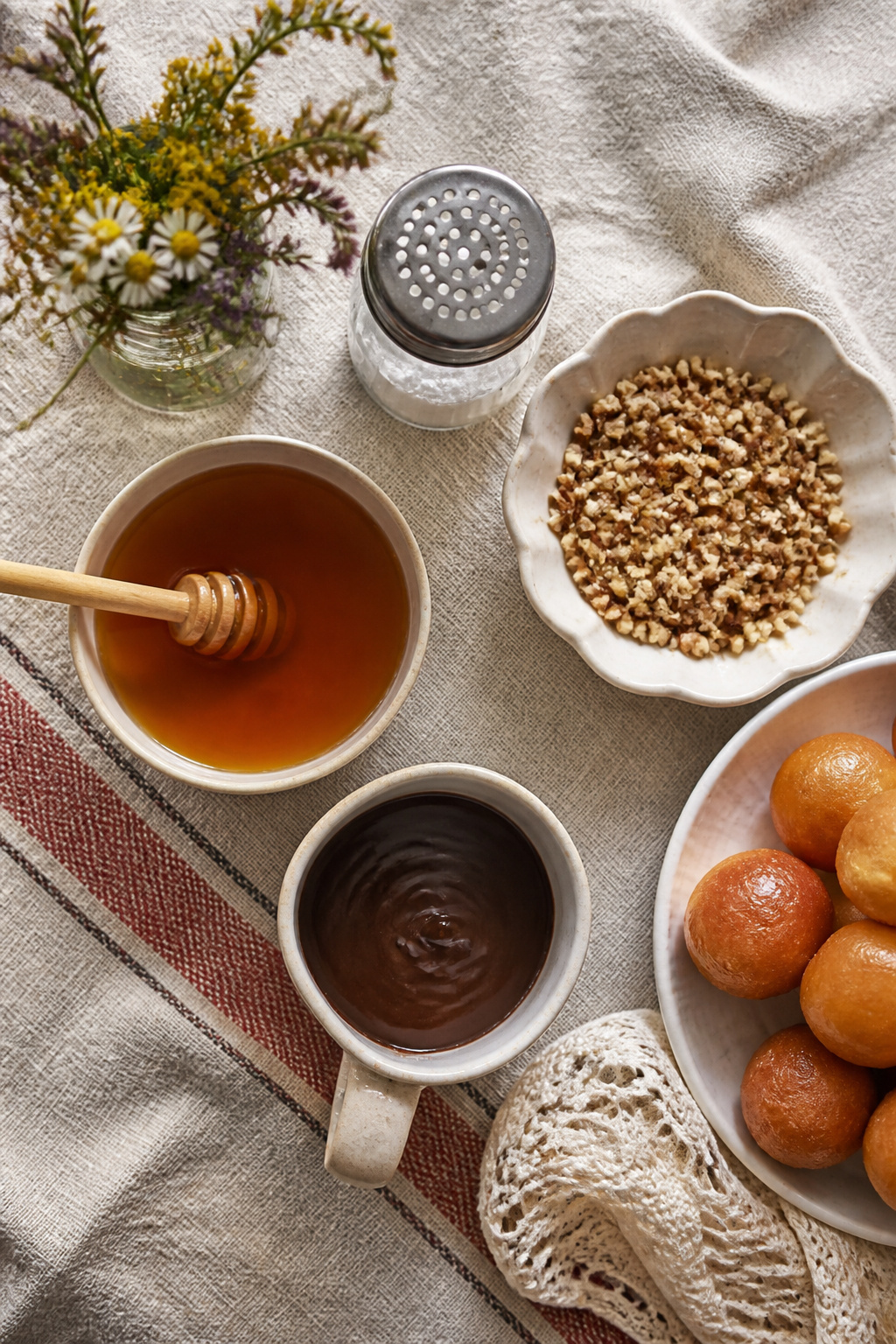
The classic loukoumades topping is warm honey syrup with cinnamon and chopped walnuts, the combination you’ll find at every Greek festival booth. In Cyprus, the same doughnuts skip the honey entirely and get dipped in a simple sugar syrup instead, which sets up a noticeably lighter, less sticky bite.
For the full range of ways to finish these, pick one or mix two:
- Honey syrup — the traditional soak; pour it warm so the dough drinks it in
- Cinnamon — dusted on after the honey, never before, or it scorches in the oil
- Chopped walnuts — the standard crunch; crush them coarse so they don’t disappear
- Powdered sugar — a lighter option that works best if you’re skipping the syrup soak
- Chocolate sauce — pour it warm, straight from the pan; good with a handful of chopped almonds if you have them
- Maple syrup — the vegan route, no honey needed; use the real kind, not pancake syrup
- Pistachios — crushed and scattered; greener and more bitter than walnuts
- Sesame seeds — toasted, and use them sparingly; they add a lot of texture for very little weight
A double-fry will push any of these toward extra crispiness. Fry once to cook through, rest on a rack, then hit the oil again at a slightly higher heat right before you sauce and serve. The potato variation exists in some older recipes as a curiosity, it tightens the crumb and keeps the interior a little denser, though I never found it necessary on the line at Opa! when the yeast was behaving.
Recommended Products

RABBIT CREEK DONUTS – With easy to make donut baking mixes from Rabbit Creek, you can enjoy specialty donuts at home that are baked instead of fried! Made in the USA

RABBIT CREEK DONUTS – With easy to make donut baking mixes from Rabbit Creek, you can enjoy specialty donuts at home that are baked instead of fried! Made in the USA

RABBIT CREEK DONUTS – With easy to make donut baking mixes from Rabbit Creek, you can enjoy specialty donuts at home that are baked instead of fried! Made in the USA
Oil, Temperature and Texture
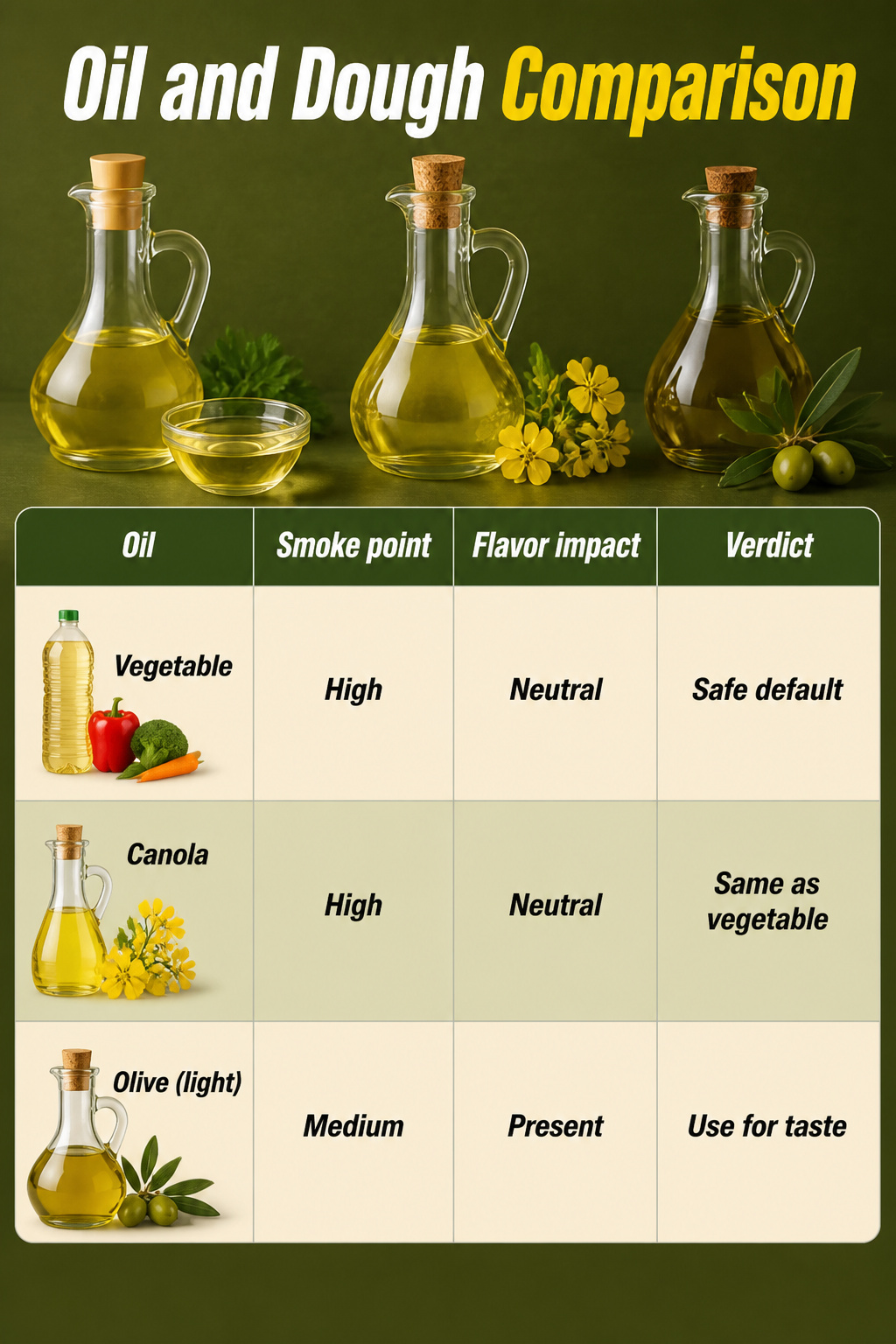
Oil choice shapes the whole experience more than most recipes admit. Vegetable oil and canola both hit high smoke points without adding competing flavor, which matters when honey and cinnamon are doing the talking. Olive oil brings its own personality; the extra-virgin stuff burns before the dough cooks through, but a light olive oil works if you want that faint peppery backnote.
| Oil | Smoke point | Flavor impact | Verdict |
|---|---|---|---|
| Vegetable | High | Neutral | Safe default |
| Canola | High | Neutral | Same as vegetable, slightly lighter |
| Olive (light) | Medium | Present | Use only if you want it tasted |
Dough texture tells you where you stand. The right batter is sticky enough to cling to two oiled spoons and drop in ragged, irregular pieces; that surface area crisps better. Overwork it and the gluten tightens into dense, chewy rounds that sit in the stomach instead of melting. Let it rise properly and the interior turns to cotton, the exterior to glass.
Serving temperature is the last place to slip. Warm loukoumades crackle slightly under the syrup and stay structurally sound; room temperature ones sag into the catering-tray softness that makes people wonder what the fuss was about. Fry in batches you can serve within five minutes, or accept a different dish entirely.
Recommended Products
![SomaPan Instant Dry Yeast | 125 G (Pack Of 1) [Home Retail Size] Fast Acting Self Rising Yeast for Baking Bread, Cake, Pizza Dough Crust | Kosher & Halal | Quick Rapid Rise Leavening Agent for Pastries](https://m.media-amazon.com/images/I/31F3pqVGPEL._SL500_.jpg)
WHY SOMAPAN IS THE SMART, STRATEGIC CHOICE FOR EVERY BAKER NO PREP, NO HASSLE: Instantly active—no proofing, soaking, or rehydration needed—saving valuable prep time and labor. CONSISTENTLY SUPERIOR RESULTS: Engineered to deliver dependable fermentation, even in challenging high-sugar doughs or cooler environments.

Perfect Rise Every Time: Urban Platter Active Dry Yeast delivers consistent fermentation, ensuring your dough rises beautifully every time. Bake soft, fluffy, bakery-style bread, pizza bases, buns, and cakes with a light, airy texture that makes every bite irresistible.

Sourdough, Made Simple – A Real Sourdough Starter Replacement. No starter required. Made for home bakers and pizza night: Each 0.25 oz packet bakes up to 7 breads and other items, depending on your recipe and batch size.
Ingredients and Substitutions
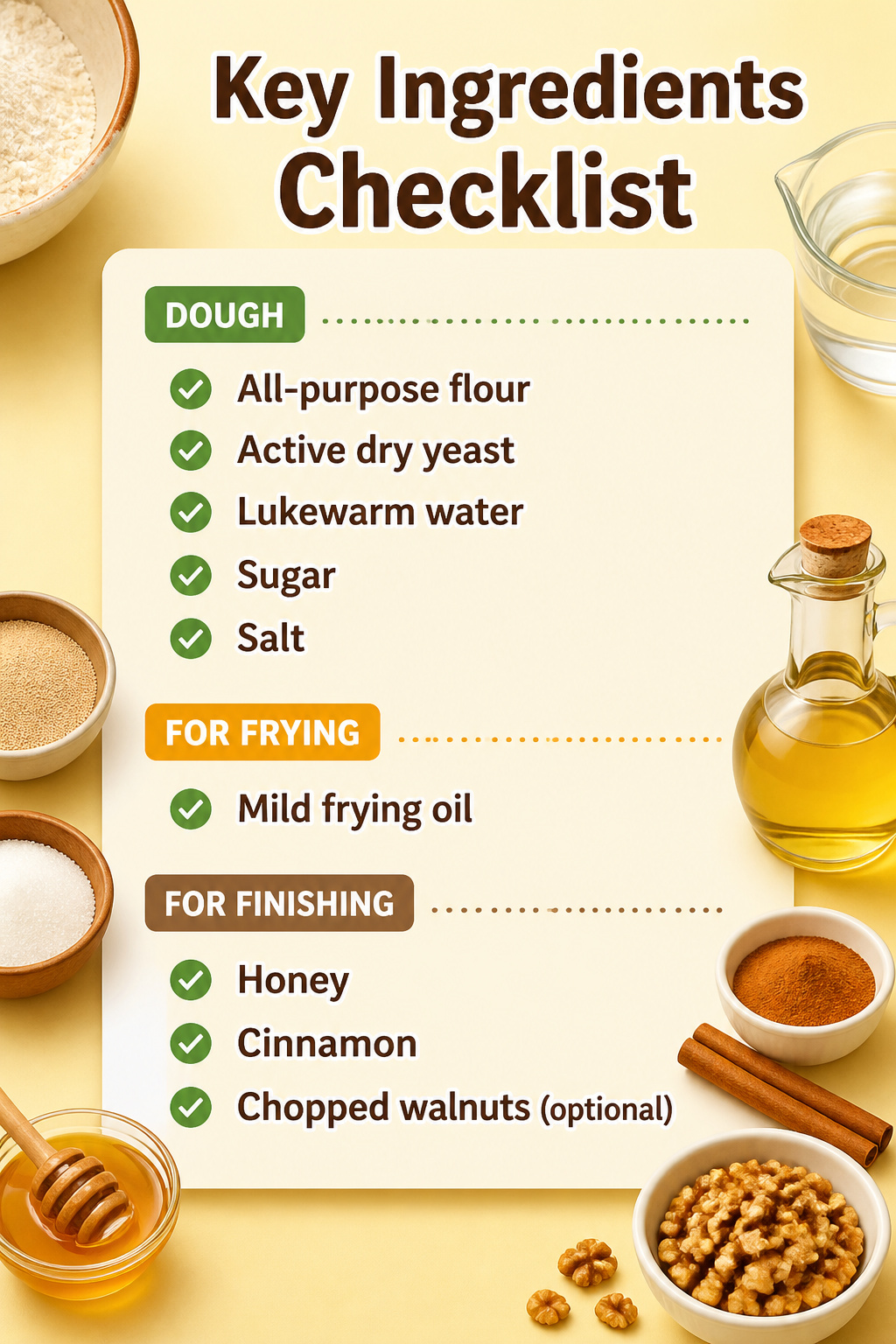
All-purpose flour forms the base, with active dry yeast doing the lifting. Lukewarm water wakes the yeast; a little sugar feeds it, and salt keeps the sweetness in check. For frying, pick a mild oil with a high smoke point, like vegetable or canola. Honey gets warmed so it drizzles, and cinnamon plus optional chopped walnuts finish the plate.
- If your pantry holds instant yeast, not active dry: use the same amount, but skip the activation step. Instant yeast goes straight into the dry ingredients.
- For vegan loukoumades: swap honey for maple syrup in the topping. The dough itself is already dairy-free and egg-free by tradition, so no other changes are needed.
- Making the dough ahead: yes, mix and let it rise, then refrigerate. The cold slows but does not stop fermentation. Fry fresh, though. Reheated fried dough turns leathery; the crisp exterior and airy interior do not survive a second heating.
Cultural Context

Loukoumades were never a quiet food at Opa!. The fryer ran at the back of the house on Lincoln Avenue, and when a batch went in, the honey syrup followed, and anyone near the kitchen door knew something was coming out hot. They were the last item we added to a check, the thing a table split after too much meze, the reason someone drove from Mountain View on a Thursday.
Greek paniyiria, the church festivals and street fairs, are where most people first meet them. Rows of oil drums cut in half, dough piped by hand into hot oil, then soaked in honey while you watch. The version we served from 2008 to 2025 stayed close to that: same yeasted batter, same cinnamon-walnut finish, same wet napkin necessity. By the final year, the fryer was one of three pieces of equipment still running in a kitchen that had otherwise gone to prep and pack. The loukoumades outlasted the lamb chops, the moussaka, the full dinner service. They were what we could still make start to finish without a line cook, without a working salamander, without the dining room open at all.
Frequently Asked Questions
How do I make loukoumades?
Activate yeast in warm water with sugar, mix in flour and salt, let the dough double in volume, then fry walnut-sized balls at 325–375°F. Soak the hot fried dough in warm honey syrup and finish with cinnamon and chopped walnuts. The whole process takes about two hours including rise time.
What is the best oil for frying loukoumades?
Vegetable or canola oil is the safest default; both have high smoke points and stay neutral in flavor. Light olive oil works if you want a faint peppery note, but extra-virgin burns before the dough cooks through. The oil needs to hold between 325°F and 375°F without smoking or adding competing taste.
Can I make the dough in advance?
Mix and let the dough rise, then refrigerate it; the cold slows but does not stop fermentation. You still need to fry fresh, though. Reheated fried dough turns leathery, and the crisp shell and airy interior do not survive a second heating.
Why do my loukoumades explode?
The oil is too hot, or the dough balls are too dense from overworking. Keep the temperature inside the 325–375°F window and handle the sticky dough lightly when shaping; tight gluten makes heavy rounds that burst or cook unevenly.