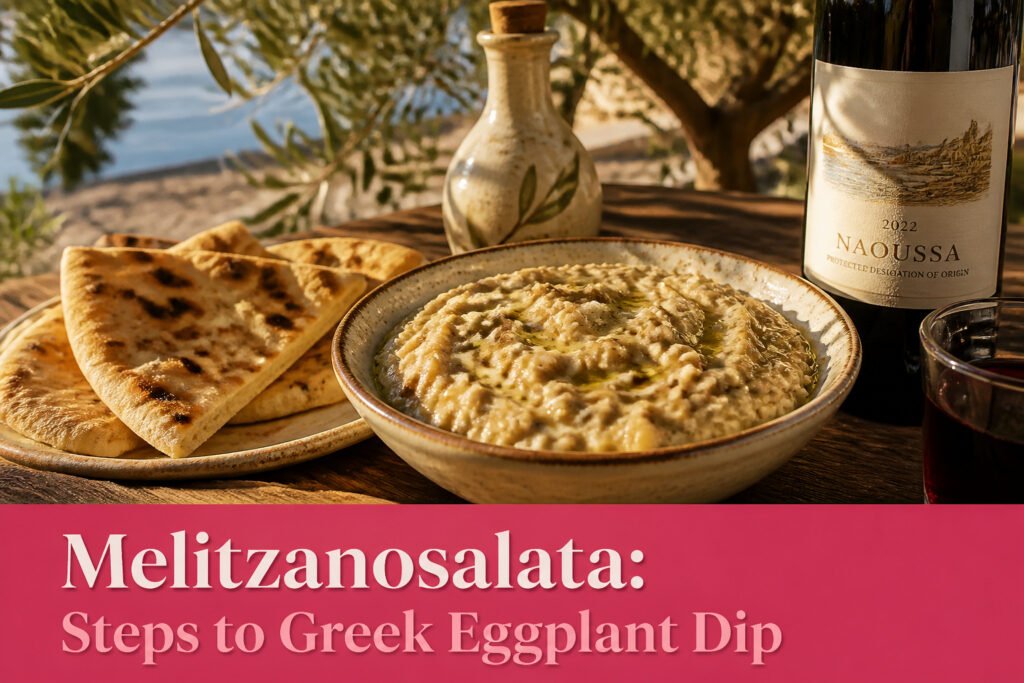
Melitzanosalata tastes of charred eggplant sharpened by red wine vinegar, with enough body to hold on pita rather than slide off. This version lands in under an hour if you roast, though the open-flame route takes longer and trades time for smoke. The catch is water: roasted eggplant holds more than you’d think, and skipping the drain turns your dip into soup no amount of olive oil rescues. Fifteen to thirty minutes in a colander, no squeezing, is the difference between a spread and a mistake.
What Melitzanosalata Is

Melitzanosalata is a Greek eggplant dip built from roasted or chargrilled eggplants, garlic, olive oil, and red wine vinegar. Some cooks add parsley or onion, others keep it to the core four. What matters is what stays out: no tahini, which is the line that separates it from baba ghanoush. Where baba ghanoush goes smooth and creamy with a significant dose of sesame paste, melitzanosalata leaves the eggplant in a chunkier, more direct form.
The dish sits on the table as a mezze, one of those small plates Greeks set out for the group to pick at together. You spread it on pita or bread, maybe top it with a Kalamata olive if you want the extra salt.
There is also a specific style worth knowing: Politiki melitzanosalata, which traces back to Istanbul’s Greek community before the population exchanges of the 1920s. The name marks the Poli, the city. That version tends toward the simplest preparation, letting the char of the eggplant and the sharpness of the vinegar do the work without much else on top.
Recommended Products
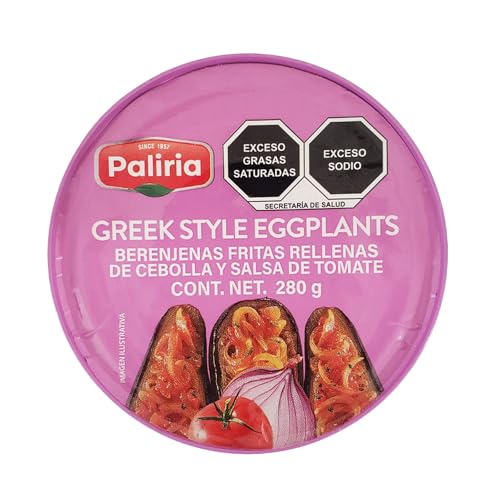
Greek Style Eggplants in Onion and Tomato Sauce


Nutritional info: 10.0 percent_daily_value_fda
Eggplant

Large purple eggplants, sometimes labeled American eggplants, are what you want here. Their meaty texture holds up through roasting and gives the dip body rather than mush.
Three ways to get there, and the smoke level is the real difference. An open flame on a gas burner or outdoor grill takes about 20 minutes with quarter-turns every 5 minutes or so; the skin chars, flakes, and the flesh underneath picks up serious smoke. Start on the flame for 5–6 minutes and finish under the oven broiler for another 20–25 minutes if you want only a milder hit of it. The broiler alone, no flame at all, runs 30–40 minutes with the same turning; you lose the smoke but the dip still works. A straight oven roast at 400°F–450°F lands around 30 minutes and is the path of least resistance on a weeknight, though the result is milder. Some cooks add a few drops of liquid smoke or a pinch of smoked paprika afterward to compensate.
Bitterness lands in some eggplants more than others. If yours tastes harsh after roasting, a quarter teaspoon of sugar stirred into the finished dip tames it without making things sweet.
Recommended Products


Cool and Drain
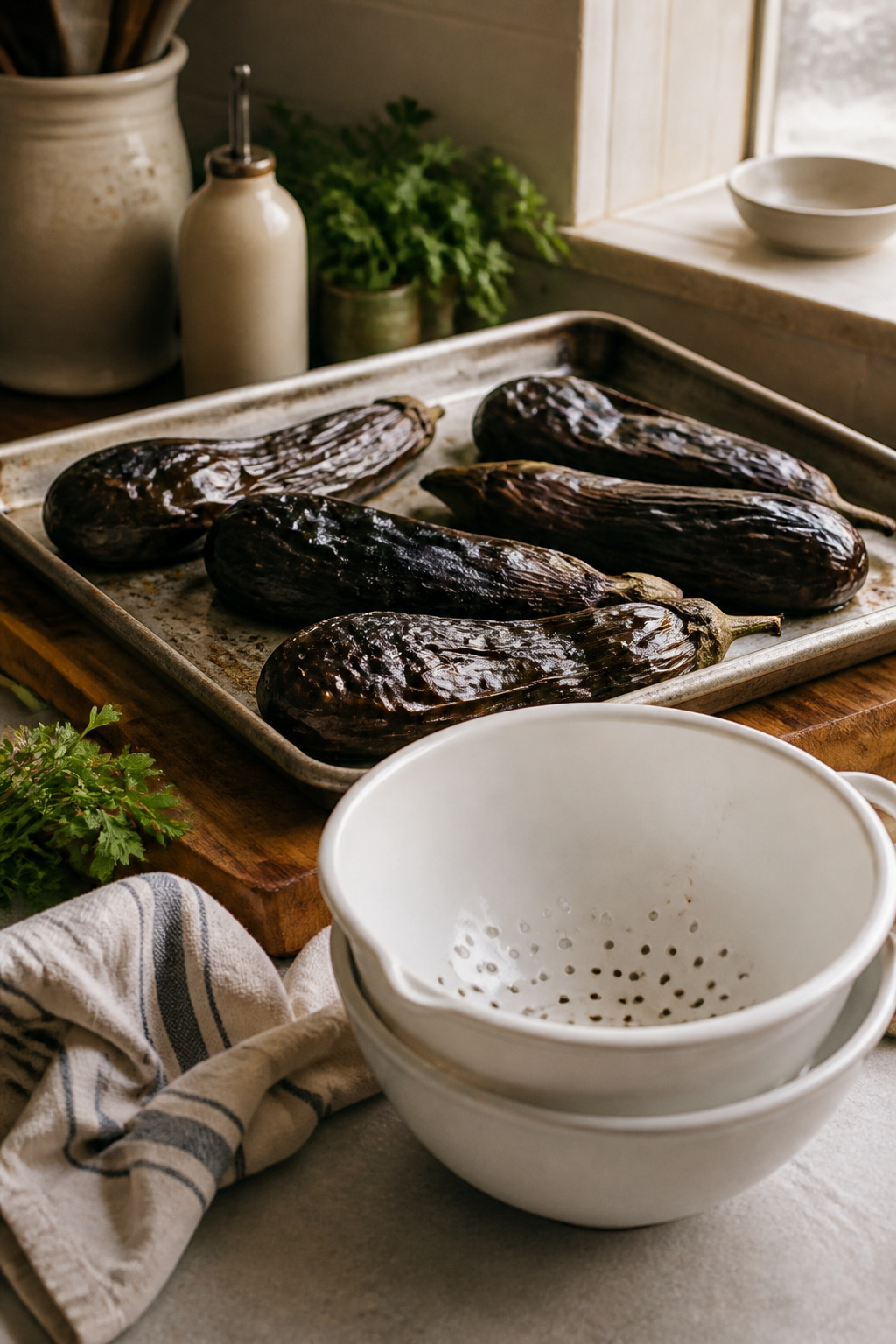
Roasted eggplants hold a surprising amount of liquid, and that water will thin your melitzanosalata into soup if you skip the draining step. Let the roasted eggplants cool on the baking sheet for about half an hour until you can handle them without burning your fingers. The flesh will have collapsed into itself, the skin wrinkled and papery.
Split each eggplant and scoop the soft interior into a colander set over a bowl or in the sink. Fifteen to thirty minutes of draining is the range that matters here; shorter than that leaves too much moisture behind, longer does not hurt but rarely gains you much more. Gravity does the work, so do not press or squeeze unless you are in a rush, in which case a clean kitchen towel can help wring out the last of the juices. The flesh that remains should feel noticeably drier to the touch, almost matte. That drier base is what lets the olive oil emulsify into something creamy rather than something that pools and separates.
Recommended Products
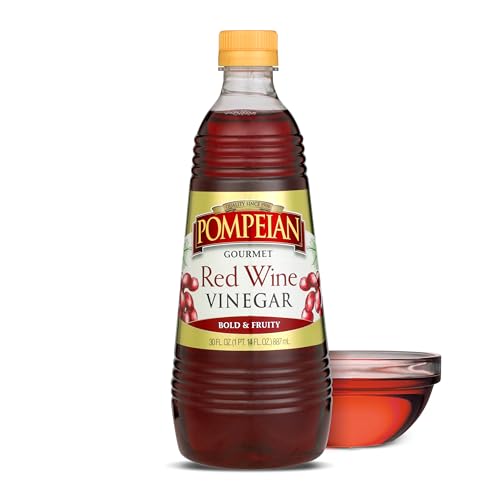
RED WINE VINEGAR: Expertly crafted by The Olive Oil People, Pompeian Red Wine Vinegar pairs perfectly with any of Pompeian’s farmer-crafted olive oils.

16.9 fl oz red wine vinegar for cooking and dressing
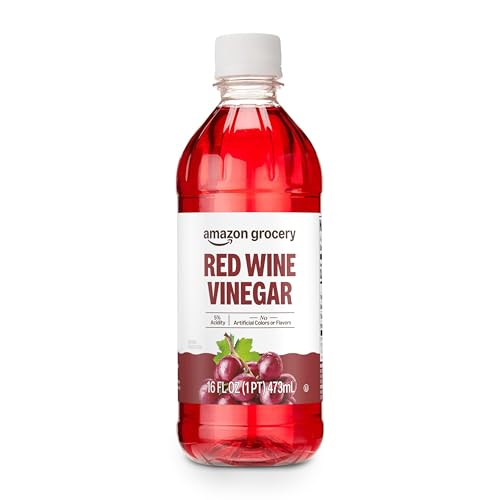
One 16 fluid ounce bottle of Red Wine Vinegar
Garlic
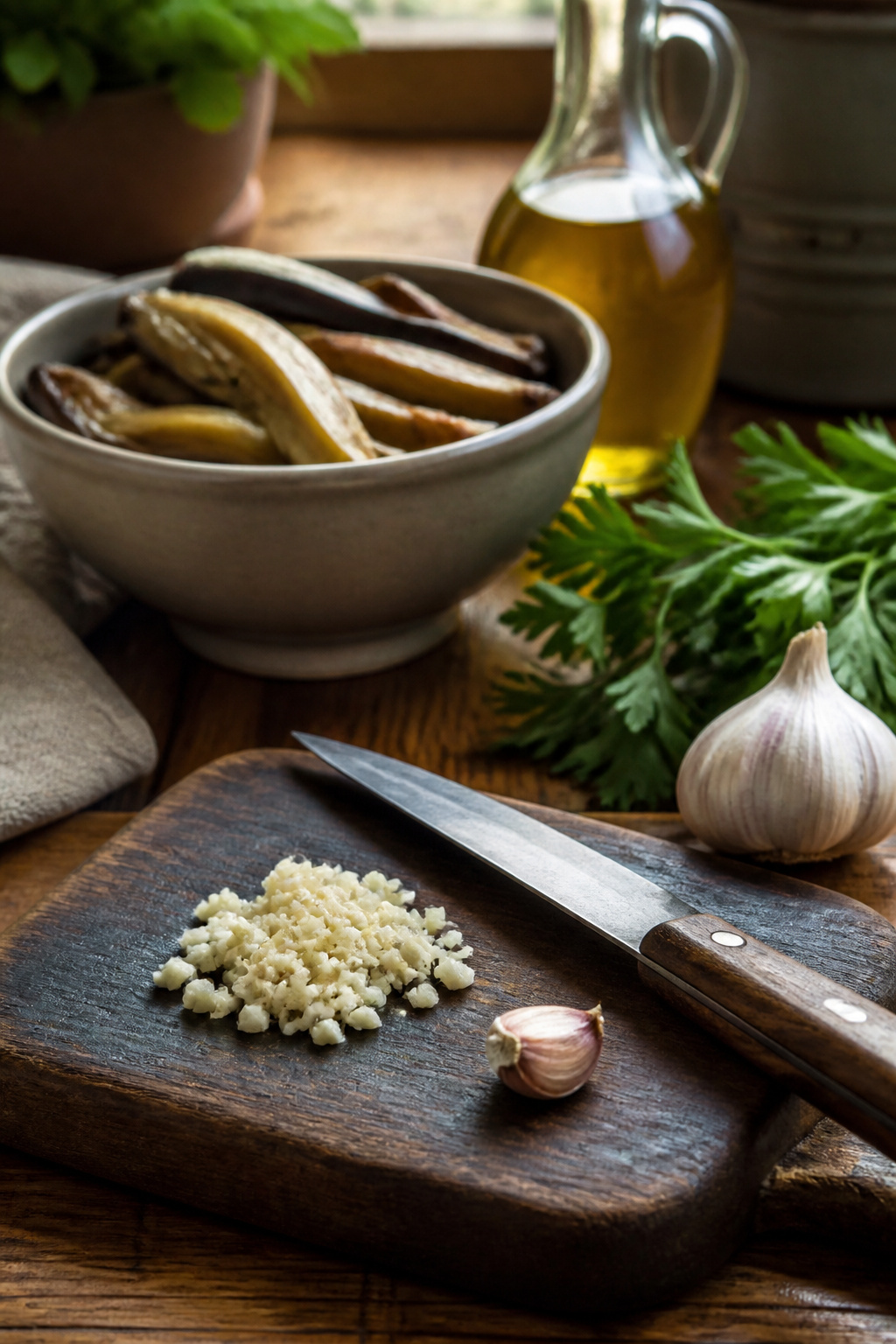
Raw garlic in melitzanosalata can double in punch overnight, so 1 clove for 4 eggplants is the safer starting point than the 2 cloves per eggplant my grandmother would have used. The sources split on preparation: minced raw keeps the sharp bite that defines the dip for many, while roasting the clove first trades intensity for a mellower sweetness if your stomach protests raw alliums. I grate rather than mince when I want the garlic to disappear into the mash without fibrous bits. The dip keeps for up to 2 days refrigerated, but that resting period means the garlic keeps building; start conservative and taste again before serving, or you will be eating something sharper than you planned.
Olive Oil

Extra virgin olive oil is what turns roasted eggplant into melitzanosalata rather than plain mashed vegetable. The dip needs enough of it to taste rich without turning oily; most recipes land around ¼ cup for three medium eggplants, which is the proportion I follow. The sources split on when to add it. One approach whisks the oil with vinegar and garlic first, then pours that dressing over the pulp and mixes. The other drizzles it in during mashing. I prefer the vinaigrette method: emulsifying the oil with acid first gives the dip a more cohesive texture and keeps the garlic from floating in distinct, harsh little pockets. The oil should be extra virgin, not a lighter cooking grade; the dip is raw after the eggplant cools, so the flavor of the oil stays fully present.
Recommended Products

This paprika is smoked over oak wood to give it an earthy flavor that pairs well with egg, bean and potato dishes, as well as roasted and grilled meats

Naturally Smoked Sweet Paprika – Crafted from sweet red peppers and naturally smoked for a rich, balanced flavor that adds depth to any dish.

About Smokiness: Hungarian paprika offers a gentler, more subtle smoky flavor compared to Spanish pimentón. This allows the authentic aroma and rich taste of Hungarian paprika to shine through without being overpowered by smoke.
Vinegar

Red wine vinegar is the acid most recipes reach for first. It gives melitzanosalata a sharp, fruity bite that reads as distinctly Greek rather than generically tangy. Four tablespoons is the usual measure against four large eggplants, though some cooks split the difference and use both vinegar and lemon juice together. That combination, half sharp and half bright, covers more bases than either alone. The vinegar hits first; the lemon lingers.
Fat and salt already do part of the balancing work. Olive oil carries the eggplant’s bitterness away, and salt seasons the flesh directly. Acid finishes the job by waking up the palate. Without it, the dip sits heavy and dull.
If the cupboard holds only lemon, start with the juice of half and taste before adding more. The swap works, but the result skews fresher, less complex. Some palates prefer that. The shallot or onion in certain versions adds its own sharpness, so pull back on vinegar slightly when onion is in the mix. The goal is layered, not sour.
Recommended Products
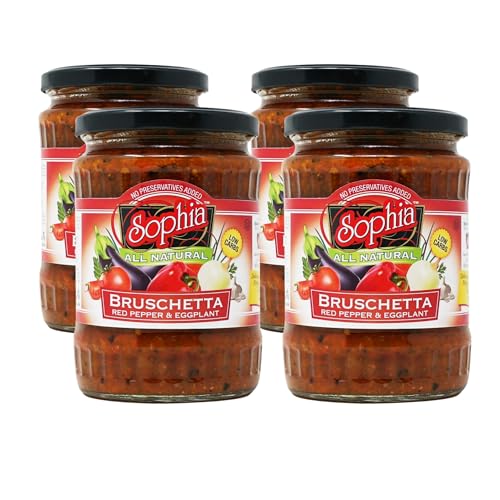
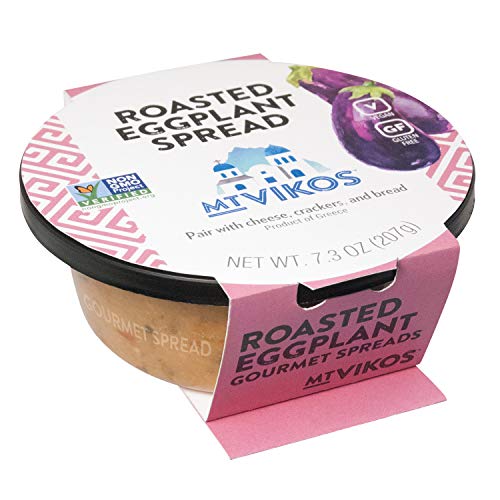
🍆 Rich Eggplant Flavor – Savory roasted eggplant blended into a smooth Mediterranean spread 🧄 Versatile Dip – Great for bruschetta boards, sandwiches, and appetizers
Parsley and Onion

Fresh parsley is the standard herb in melitzanosalata, and one cup, packed, then chopped is the working amount that shows up across the versions that read Greek rather than just eggplant-colored. I run the leaves through once with a sharp knife, stems discarded, and stop before they turn to paste. The parsley adds an earthy, clean note that keeps the dip from tasting like pure roasted vegetable.
Red onion or shallot is optional, though I keep it in. The Mediterranean Dish calls for a quarter of a red onion, finely chopped to about a third of a cup, with more held back for garnish. Living Lou’s route uses a shallot instead, arguing for less waste and a sharper bite than her mother’s yellow onion. Either way, the allium should be minced fine enough to disappear into the texture; raw chunks read as mistake, not choice. If you are using onion rather than shallot, start with one to two tablespoons, taste, and add. The shallot needs no such caution, its flavor more predictable by volume.
Recommended Products


TRIPLE CERTIFIED — KOSHER, HALAL & VEGAN Moda Fire Roasted Eggplant Puree is proudly certified Kosher, Halal, and 100% Vegan — making it one of the few premium eggplant purees designed for every table and every dietary lifestyle.
Texture and Mixing

The texture of melitzanosalata comes down to one choice at the mixing bowl: fork-mashed for chunky, or a few seconds in the blender for smooth. I reach for a fork when I want to actually taste the eggplant in distinct pieces, breaking up any large chunks by hand before stirring in the garlic, vinegar, and olive oil. The blender route works if you prefer a silkier dip, but the line between smooth and ruined is thin. Blitz too long and the eggplant turns into a thick paste with water pooling at the edges, a texture no amount of olive oil rescues. I have made that mistake once. The food processor is the safer middle ground if you own one, though I still mix by hand more often than not. Either way, taste for salt after combining, not before; the char on the eggplant sometimes carries enough.
Recommended Products
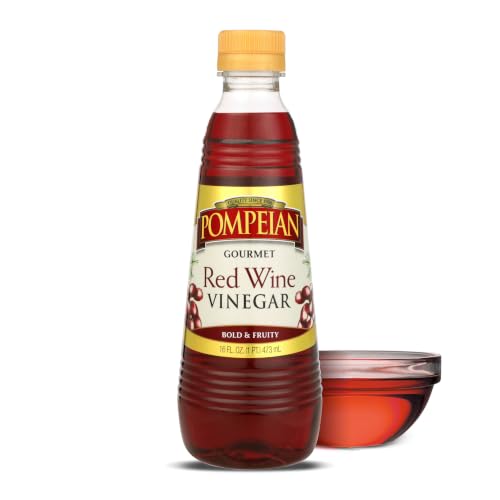
RED WINE VINEGAR: Expertly crafted by The Olive Oil People, Pompeian Red Wine Vinegar pairs perfectly with any of Pompeian’s farmer-crafted olive oils.

Greek vinaigrette salad dressing is made with extra virgin olive oil, red wine vinegar, feta cheese and black olives

Chill and Serve

The dip needs at least 30 minutes in the refrigerator before the flavors settle into something worth serving. Overnight is better if you planned ahead; the garlic mellows, the smoke deepens, and the whole thing stops tasting like separate ingredients that happened to meet in a bowl.
Garnishes are where you fight the brown. Chopped tomatoes and parsley on top give color, and a few kalamata olives add brine against the creaminess. Feta works if you want salty pockets through each bite, and a pinch of smoked paprika punches the smokiness up without starting over with the eggplant. I skip the extra olive oil drizzle some recipes call for; the dip already carries enough from the mixing bowl.
This yields enough for 4 to 6 people as part of a mezze spread. Serve it with toasted pita or crusty bread, something sturdy enough to scoop with. It also holds up as a sandwich spread if you end up with leftovers.
Chunky or Smooth

The fork method leaves visible pieces of eggplant that you can taste as you scoop, which works well when the skin has charred enough to add real smoke. A blender or food processor gives you the smoother style most tavernas serve, though the common mistake is running it too long. Blitz for only a few seconds or the dip separates into paste with water pooling at the edges, and that texture is hard to recover.
Draining the flesh in a colander for half an hour matters more for the smooth version, since excess moisture has nowhere to hide once everything is pulverized. The chunky style forgives a little more water because the pieces hold some structure. I tend toward the fork when the eggplants came off an open flame and the char is worth encountering in bites; the processor wins when I want the dip to spread like butter on pita and I have the patience to drain properly.
Recommended Products

THE FINEST QUALITY IN SPICES: We use only the very best in sustainably sourced, all natural ingredients, inspecting for quality at each step of the way as we blend our gourmet seasoning mix.
Experience the incredible mild heat and smoky-sweet flavor of this Smoked Paprika Spice. An indispensable seasoning for meat, chicken, seafood, eggs, and vegetables, it is also a perfect, aromatic base for rubs.

Rich, colorful Spanish-Style Paprika, naturally smoked over traditional oak fires.
Smoky or Not
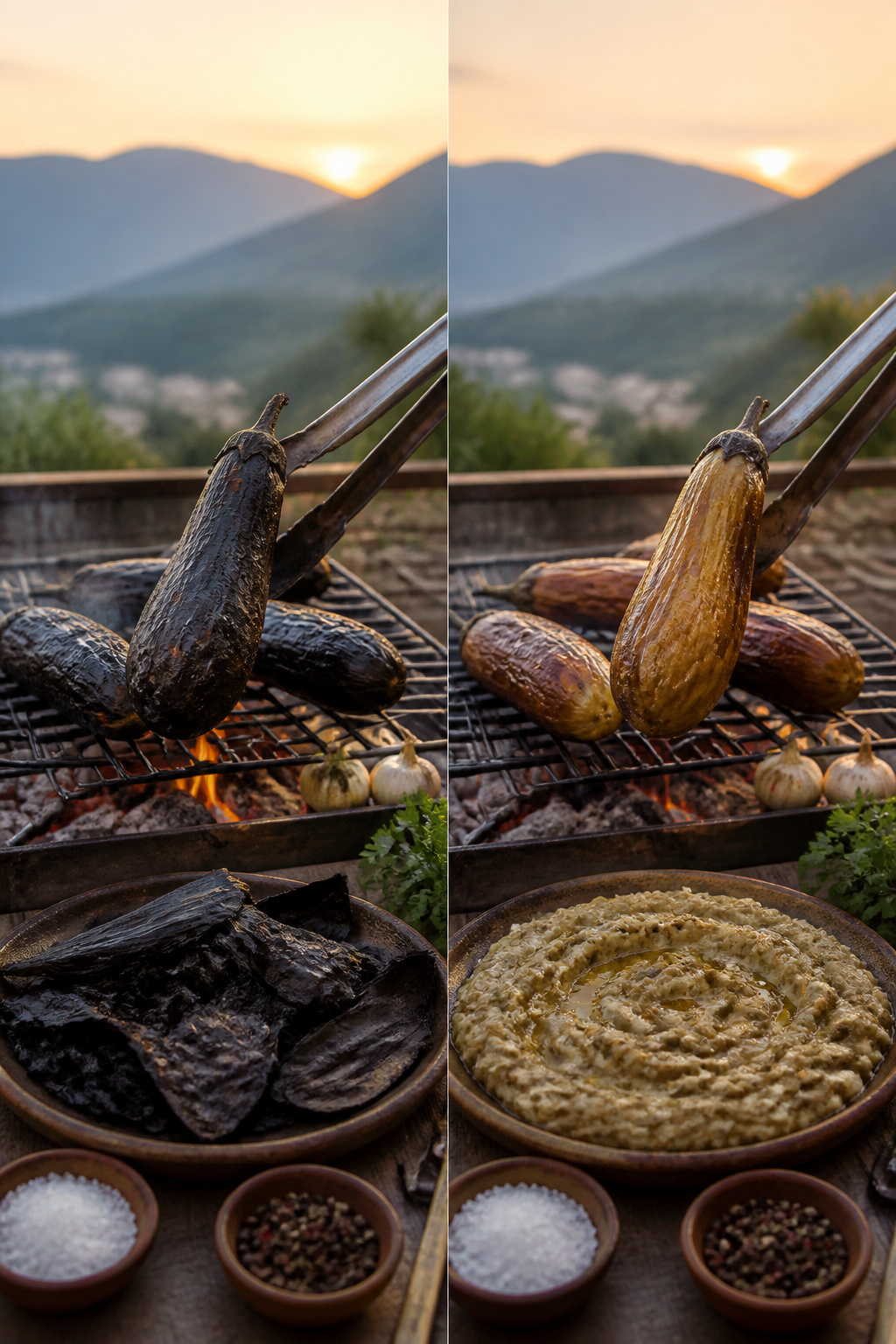
The smoke question is the first decision you have to make with melitzanosalata, and it splits cleanly into two camps. Char the skin black over an open flame or a hot grill and the flesh underneath picks up that unmistakable campfire note that defines the traditional version. The eggplants need about 15 to 20 minutes on the grate, turned with tongs, until the skin is blistered and the interior has fully collapsed.
An oven broiler strips that away and leaves the cleaner, sweeter taste of the eggplant itself. The same quarter-turns apply, roughly every 5 to 7 minutes, but the timing stretches to 30 or 40 minutes depending on size, and what you get is milder, more vegetal, with none of the ash-and-smoke resonance.
Some cooks split the difference, starting the eggplants on a gas burner for 5 or 6 minutes to pick up a light char, then finishing under the broiler for another 20 to 25 minutes. That gives a whisper of smoke without the full intensity. If you are working with only an oven and still want that flavor, a half teaspoon of smoked paprika or a few drops of liquid smoke stirred into the finished dip is the common workaround, though it reads as a substitute, not the real thing.
Variations
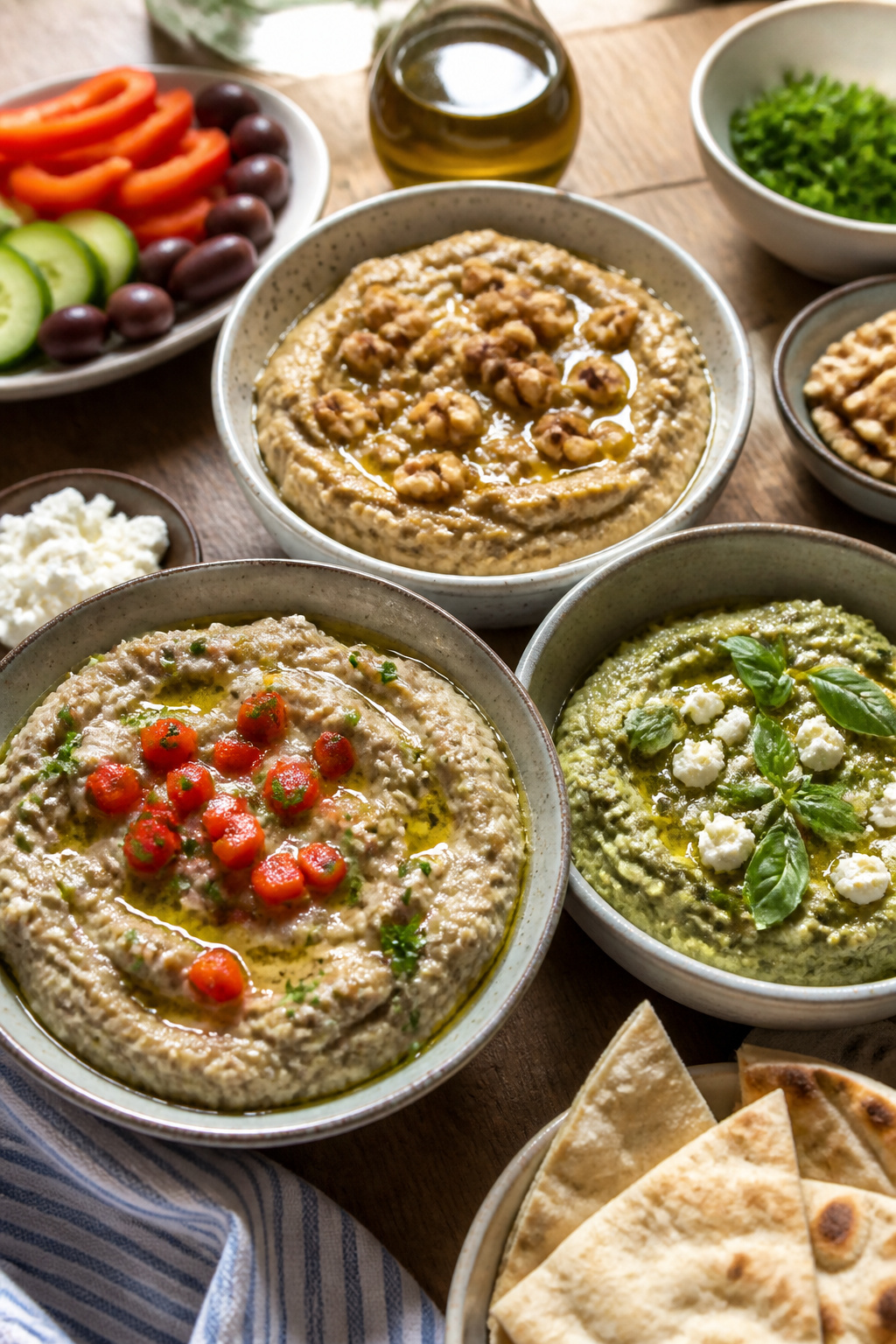
The base recipe holds up on its own, but a few swaps and additions keep it interesting across repeat dinners.
- Walnuts add crunch that the smooth dip otherwise lacks. A small handful, toasted and chopped fine, stirred in just before serving so they stay crisp.
- Vinegar is flexible. Red wine vinegar is standard, but lemon juice or a mild balsamic work if that is what the pantry holds. The acid level changes slightly; start with less and taste.
- Herbs beyond parsley shift the whole character. Thyme or basil pesto turn it toward something greener and more aromatic. Cilantro is a common substitution when parsley runs out, though the flavor profile moves away from the Greek original.
- Cumin is the spice that shows up most often in adapted versions. A light pinch, not enough to announce itself as curry.
- Bell peppers and spring onions, either roasted with the eggplant or added raw at the end, build in more vegetable bulk and a sharper bite.
- Feta or olives on top turn the dip into something closer to a small plate than a spread, which is useful when dinner needs to stretch.
None of these claim a specific regional tradition. They are the adjustments that happen in home kitchens, Greek and otherwise, when the same dish repeats often enough to need variation.
Storage

Leftover melitzanosalata keeps 2 to 3 days in the refrigerator, stored in an airtight container. Glass works better than plastic here, since the dip picks up flavors and odors easily and the garlic only intensifies overnight. Some cooks prefer it the next day for exactly that reason; others find the bite too sharp and scale back the raw garlic if they know it will sit.
Freezing is not worth the trouble. Eggplant holds just enough liquid to turn the thawed dip into a watery, separated mass. The texture you worked for in the mixing stage breaks down completely.
For timing, making the dip a day ahead fits most schedules well. Pull it from the refrigerator about twenty minutes before serving so the olive oil loosens up and the flavors read true at room temperature.
Frequently Asked Questions
What is melitzanosalata?
Melitzanosalata is a Greek eggplant dip made from roasted or chargrilled eggplants, garlic, olive oil, and red wine vinegar. It is served as a mezze, one of the small plates Greeks set out for sharing. The key thing that separates it from baba ghanoush is the absence of tahini, which keeps the eggplant flavor more direct and the texture chunkier.
How do you make melitzanosalata?
Roast the eggplants over an open flame, under a broiler, or in a 400°F–450°F oven until the flesh collapses. Let them cool, then scoop the flesh into a colander and drain for 15 to 30 minutes. Mix the drained eggplant with garlic, extra virgin olive oil, red wine vinegar, and chopped parsley, mashing with a fork for a chunky texture or blending briefly for a smoother dip. Chill for at least 30 minutes before serving.
What is the difference between melitzanosalata and baba ghanoush?
Melitzanosalata contains no tahini, while baba ghanoush relies on a significant amount of sesame paste for its smooth, creamy texture. Without tahini, melitzanosalata stays chunkier and lets the roasted eggplant flavor come through more directly. The two dips share a base of roasted eggplant, but they split into distinct dishes at that point.