
Greek lentil soup is thick and earthy-sweet from tomatoes, finished at the table with a sharp splash of vinegar and a drizzle of olive oil. The whole pot needs about an hour from chopping to bowl, most of it hands-off simmering. The catch is the lentils themselves: brown or green hold their shape, but red or yellow split lentils collapse into mush and taste nothing like fakes should. Bay leaves need the full simmer to give up their depth, and salting too early can keep the lentils from softening through.
What Fakes Is and When to Make It

Greek lentil soup, called fakes in Greek, is a tomato-based lentil soup finished at the table with olive oil and a splash of vinegar. Brown or green lentils simmer with onion, garlic, celery, and carrots until the broth thickens and turns earthy-sweet from the tomatoes. Bay leaves, salt, and pepper are the only spices; the soup builds its depth from time, not complexity.
This is traditional fasting food in Greek Orthodox households, which means it shows up reliably on Wednesdays and Fridays when meat is abstained from. The pattern makes it a practical answer to the weeknight question of what to cook: the ingredients are all grocery-store staples, nothing needs special equipment, and the active work is front-loaded into about fifteen minutes of chopping and sautéing before the pot handles itself.
A bowl of fakes with bread and olives is a complete meal that happens to be vegan, gluten-free, and cheap to scale. The same pot feeds two or stretches to six with rice stirred in, a common move when the goal is to make the batch last through the week.
Recommended Products
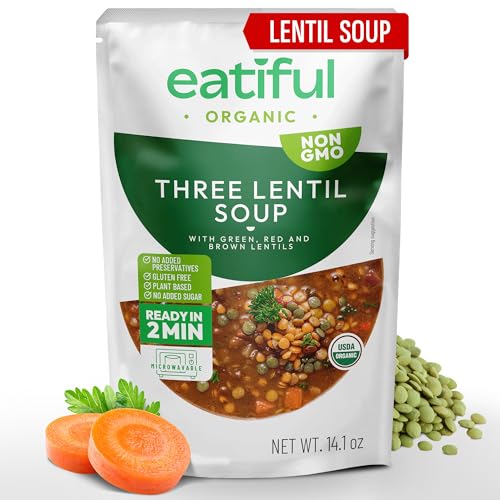
100% ORGANIC INGREDIENTS. EATIFUL’s lentil soup is crafted with care using high-quality, natural ingredients. It features a nourishing mix of organic green, red, and brown lentils, carrots, potatoes, roasted onions, and leeks, all seasoned with sea salt, garlic powder, onion powder, paprika, and smoked paprika. Every spoonful is brimming with plant-based goodness and deep, savory flavors—delivering a wholesome and satisfying meal any time of day.

No hydrogenated fats or high fructose corn syrup allowed in any food

PREMIUM QUALITY: Fine lentils from Kozani, Greece, known for their exceptional taste and nutritional value.
The Lentils

Brown lentils are the standard choice for Greek lentil soup, and for good reason: they keep their shape through cooking instead of splitting into mush, and their mild, earthy flavor carries the tomato and bay without fighting it. Green lentils work too, though they take slightly longer and bring a peppery note that some cooks prefer. I would skip yellow or red split lentils here entirely; they collapse in the pot and taste nothing like the soup you’re after.
One pound of dry lentils, brown or green, will feed anywhere from four to eight people depending on how hungry the table is and whether bread and feta are coming along for the ride.
Soaking is optional, not required. A few hours in water will shave cooking time down, which matters on a weeknight when dinner needs to happen, but the soup still works if you pour them straight from the bag into the pot. Brown lentils simmer to tenderness in 35 to 45 minutes without a soak, which is already reasonable for a soup that mostly minds itself.
Recommended Products


100% ORGANIC INGREDIENTS. EATIFUL’s lentil soup is crafted with care using high-quality, natural ingredients. It features a nourishing mix of organic green, red, and brown lentils, carrots, potatoes, roasted onions, and leeks, all seasoned with sea salt, garlic powder, onion powder, paprika, and smoked paprika. Every spoonful is brimming with plant-based goodness and deep, savory flavors—delivering a wholesome and satisfying meal any time of day.
The Vegetables

Yellow or red onion sets the foundation, diced small so it melts into the broth rather than floating in chunks. Carrots bring the sweetness and color that separate fakes from plain lentil stew; two medium ones, cut into small dice, will tint the whole pot amber. Celery is optional but adds a quiet savoriness that rounds out the bowl. Garlic goes in last, since it turns bitter if it browns.
Everything hits the pot in olive oil over medium heat. Onion and carrots soften first, about 10 minutes, with celery if you’re using it. Stir in the garlic and cook just until fragrant, 3 to 4 minutes more. The vegetables should not color; you’re building a sweet, aromatic base, not caramel.
Recommended Products


One (1) 32 oz carton of Pacific Foods Organic Tomato Basil Soup

Non BPA Can Lining
Tomatoes and Bay Leaves

Canned tomatoes are what separate fakes from plain boiled lentils. The sources split on form: diced or pureed both work, crushed falls somewhere between, and the soup will not suffer either way. The acid in the tomatoes does the real work, brightening the broth against the earthiness of the legumes and keeping the finished bowl from tasting like health food.
Bay leaves go in at the same time, two of them, and they need the full simmer to give up anything. Half an hour is typical, and by then the broth has taken on a depth that reads as more complex than the ingredient list suggests.
Liquid is the part to get right. Six cups of water or broth covers a pound of dried lentils with room to spare, and the lentils need to sit at least an inch below the surface when you start. They drink more than you expect as they soften, and adding cold water mid-simmer stalls the cooking more than you’d think.
Recommended Products
Rich, Savory Flavor – Enjoy the comforting taste of a creamy, gluten-free cream of mushroom soup. Perfect as a stand-alone dish or as a versatile base for your favorite recipes.
Perfect for Multiple Uses – Add this gluten-free Onion Soup Mix to a variety of dishes such as beef roasts, vegetables, hamburgers, and soups for an extra boost of flavor.

Delicious, Rich, & Creamy Flavor – Enjoy the comforting taste of creamy potato soup in a gluten-free and dairy-free option. This soup mix is ideal for any recipe or as a quick, flavorful soup.
Simmering

Bring the pot to a full boil over medium-high heat, then drop the heat to low so the surface barely shivers. Cover and let it go 30 to 60 minutes, depending on your lentils. Older lentils take longer; I start checking at 30 and expect 45 more often than not. Stir every ten minutes or so, and add water by the half-cup if the level drops below the solids. The finished soup should be thick, almost dense, with the lentils fully tender rather than holding their shape.
The stovetop gives you the most control, but a slow cooker on low for 6 to 8 hours or a pressure cooker for about 15 minutes at high pressure will get you there with less watching. Either way, taste for salt only after the lentils soften; salting too early can keep them from cooking through.
Recommended Products

✔️ Two 60 ml (2.03 fl oz) bottle gift set containing two of Viva Oliva's most popular varietals, the Tuscan Herb Infused Olive Oil and the 18 Year Traditional Balsamic Vinegar

Fine selection of cork: based on nature, pressed at high temperature, No glue, no additives, no slag, perfect fit to the inner wall

Convenient Single-Serve Sachets: Includes 28 individual sachets (14 vinegar and 14 olive oil), each pre-measured for convenience and freshness.
Finishing with Vinegar and Oil

A splash of red wine vinegar or balsamic, about one to two tablespoons, goes in right before you eat. The acidity cuts through the earthiness of the lentils and pulls the whole bowl into balance. Some people stop at a teaspoon; others want more tang. Start small and add, because you can always build, but you can’t take it back.
Salt, pepper, and a pinch of dried oregano go in at the same time. The oregano echoes the herb base from the pot, and the salt needs that final check after the vinegar is in, since acid changes how salt reads on the tongue.
A drizzle of olive oil on top, maybe a teaspoon per bowl, gives you richness against the sharp vinegar. On the side, feta and olives are the classic move. The feta softens slightly when you stir it in, and the brine from good olives does work that extra salt can’t. Crusty bread or pita belongs there too, for soaking up what’s left.
Nutritional Value

Lentils carry serious nutrition without asking much of your grocery budget. A bowl of fakes can land anywhere from 217 to 640 calories per serving, depending on how generously you pour the olive oil and whether you add feta on the side. The base soup itself is lean: lentils are high in protein and fiber, rich in iron, and low in fat and calories by nature. That combination keeps you full longer than you’d expect from something so simple.
The traditional Greek timing makes sense once you know it. Wednesdays and Fridays in Orthodox practice are meatless, and lentil soup has filled that gap for generations. The dish works for vegan, gluten-free, and Mediterranean diets without any special shopping. At the restaurant, we’d see the same faces those nights, and not just the ones observing fasts strictly. Parents after a long weeknight, someone recovering from a cold, a runner refueling. The body recognizes what lentils offer whether or not the calendar calls for abstinence.
Recommended Products

LENTIL: Savor the mouthwatering combination of lentils, celery, spinach, and more in this vegetarian soup; A comfort food favorite

Enjoy Lentil Soup Recipes right on your Android

Made in a family owned business in Central Washington State
Variations

Rice thickens the broth and turns fakes into a full meal, but it changes the cooking time. Add the rice with two extra cups of water and a pinch of salt, then simmer until tender, about 15 minutes. The potato does something similar; grated, it melts into the soup and gives body without the grain. I have seen cooks add celery along with the onion and carrot, though that is more common in Greek bean soup than in traditional fakes. Cumin or paprika can replace the usual oregano for a warmer, smokier bowl, and a splash of red wine vinegar at the end brightens any version. Each addition shifts the texture, so expect a shorter simmer if you skip the potato, or a longer one if the rice goes in late. Tomato paste makes a different soup entirely, fakes kokkinistes, and needs two to three tablespoons added with the oil.
Recommended Products

One (1) 32 oz carton of Pacific Foods Organic Creamy Tomato Soup

HIGH-QUALITY INGREDIENTS: Our timeless tomato soup starts with 6 farm-grown tomatoes in every can, cooked to perfection.
Storage and Reheating

Leftover fakes sits well in an airtight container in the refrigerator for up to 4–5 days, and the flavor actually improves as it rests. For longer storage, the soup freezes solidly for up to 3 months in a freezer-safe container; let it thaw overnight in the fridge before reheating.
The soup thickens considerably as it cools, so plan on adding a splash of water or broth when you warm it back up. A gentle reheat on the stove over medium-low heat works best, though the microwave in short bursts with stirring between each one gets the job done on a rushed weeknight. A fresh drizzle of olive oil and a touch of red wine vinegar right before serving brings it back to life.
For batch cooking, this behavior is worth building around. The soup is nearly as easy to make in a triple batch as a single one, and the thickened leftovers reheat into something that eats like a stew rather than a thin soup. That density holds up well to freezing, though you will need that extra liquid on the back end.
Recommended Products
Rich & Creamy Alternative – Experience the comforting flavor of traditional cream of chicken soup without gluten or dairy, perfect as a stand-alone soup or a base for your favorite recipes.


Perfect Stew Companion – Elevate your beef stew with this robust seasoning blend, crafted to enhance the richness and depth of your favorite stew recipes. Ideal for beef dishes, soups, and more.
What to Serve With It

A bowl of fakes can stand alone, but the right sides turn it into a meal worth lingering over. Crusty bread, feta cheese, and olives are the traditional trio, and everything you need sits on ordinary grocery shelves. Warm a thick slice of country bread, crumble some feta on the plate, and add a small bowl of olives if you keep them around. Some cooks stir the feta straight into the hot soup so it melts into creamy pockets; others, like me, prefer it cold against the warm lentils.
A Greek salad rounds things out when you want more than the bowl itself. Tomatoes, cucumber, red onion, and a little feta take ten minutes to throw together, and the sharp vinegar dressing cuts through the soup’s earthiness. On weeknights when time is short, the soup plus bread and feta is plenty. Save the salad for a Sunday when the pot simmers longer and the table stays set.
Recommended Products

✔️ Viva Oliva's Six Most Popular Infused Extra Virgin Olive Oils and Balsamic Vinegars. Amazing gourmet food gift for any food lover and home chef.

FOUR BOTTLE VARIETY: Four of Viva Oliva's Most Popular Infused Extra Virgin Olive Oils and Balsamic Vinegars. Great on their own or paired:Tuscan Herb Olive Oil + Traditional 18 Yr Balsamic; Basil Olive Oil + Black Mission Fig Balsamic

Stonewall Kitchen Olive Oil and Balsamic, 11 Ounces
Frequently Asked Questions
Do I need to soak lentils before cooking Greek lentil soup?
Soaking is optional, not required. Brown lentils will simmer to tenderness in 35 to 45 minutes straight from the bag. A few hours in water only shaves cooking time down, which can help on busy weeknights but does not change the finished soup.
How long does it take to cook lentils for Greek lentil soup?
Brown lentils need 35 to 45 minutes of simmering; green lentils take slightly longer, about 45 minutes. Start checking at 30 minutes, since older lentils can take more time. The soup simmers covered on low heat after an initial boil.
Can I freeze Greek lentil soup?
Yes, it freezes well for up to 3 months in a freezer-safe container. Let it thaw overnight in the refrigerator before reheating, and add a splash of water or broth since the soup thickens considerably as it cools.
What can I serve with Greek lentil soup?
Crusty bread, feta cheese, and olives are the traditional trio. Some cooks stir feta straight into the hot soup; others prefer it cold on the side. A Greek salad with tomato, cucumber, and red onion rounds out the meal when you want something extra.