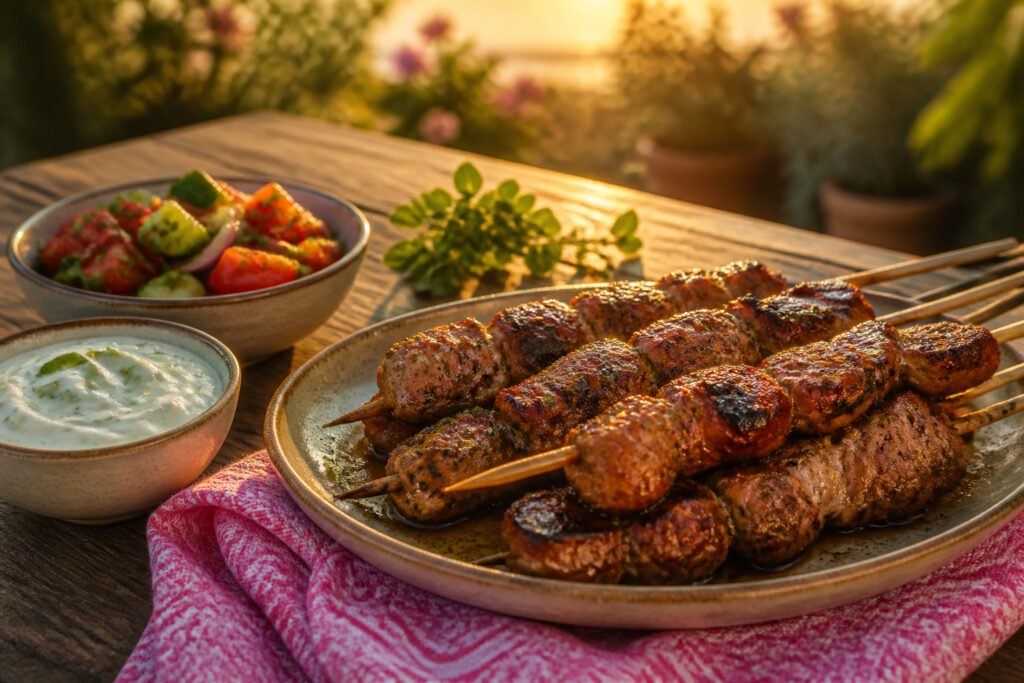
Pork souvlaki should taste bright with lemon and sharp with garlic, and the difference here is an overnight marinade that actually changes the meat instead of just coating it. Figure 1 ½ pounds of tenderloin, about 40 minutes on the grill once the fire is ready.
The catch is timing: half an hour in the fridge works, but the cubes stay tough and the flavor sits shallow. Overnight, the acid unwinds the muscle fibers enough that the pork browns fast without drying out, and the oregano gets into the meat instead of burning on the surface. I have pulled batches at both times, and the longer wait always wins.
What Souvlaki Is

Pork souvlaki is cubes of marinated pork, skewered and grilled until tender, and the word itself comes from the Greek "souvla," meaning skewer. The dish dates back to ancient times and remains one of Greece’s most recognizable street foods, served hot off the grill either straight on the stick with a drizzle of lemon or tucked into pita with tzatziki.
The distinction from kebabs matters more than it might seem. Souvlaki is Greek; kebabs carry Turkish origins. More practically, pork souvlaki sits comfortably on Greek menus while pork kebabs rarely appear in the Middle Eastern traditions where kebabs originated, since many communities there do not consume pork. In Greece itself, pork is the meat you’ll actually find on the street, even if restaurants abroad push chicken, beef, or lamb as safer bets.
What makes pork souvlaki work as street food is its speed and its hand-held form. Small pieces cook fast over charcoal, and the whole thing eats neatly standing up or walking between shops. That same simplicity translates to home cooking: no special equipment, no long waits, just the right cut and a marinade that does the heavy lifting.
Recommended Products

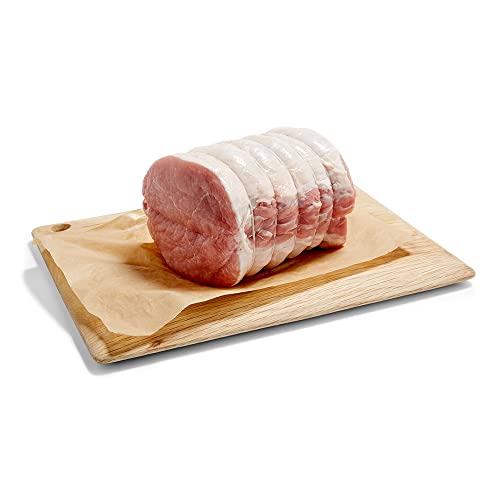
Tenderloin, 15-ounces, one per package

One boneless pork tenderloin weighing between 1 and 1.75 pounds

Pork Naturally & Artificially
Pork Cut

Pork tenderloin is the cut that wins here, and 1 1/2 pounds cut into 1-inch cubes is the amount to buy for a standard batch. The meat stays tender after grilling and takes marinade cleanly without the fat pockets that can flare up on the fire.
Shoulder works if you prefer richer flavor, and ribeye pork chops are an option when the butcher case is thin, though both need more attention on the grill. Tenderloin asks only that you strip the silverskin first. Slide a knife tip under that thin silver membrane to loosen an edge, then grip it with a paper towel and peel it away in strips. Thick fat caps should come off too; what little interior marbling remains is enough.
Your butcher can handle this step if you ask. Mine did, back when I still had one within walking distance of the restaurant.
Recommended Products

You will receive (1) 16 Oz Lemon-Garlic Marinade

New York State Fair–Inspired Flavor – A bright lemon and garlic marinade rooted in classic Upstate NY food traditions.
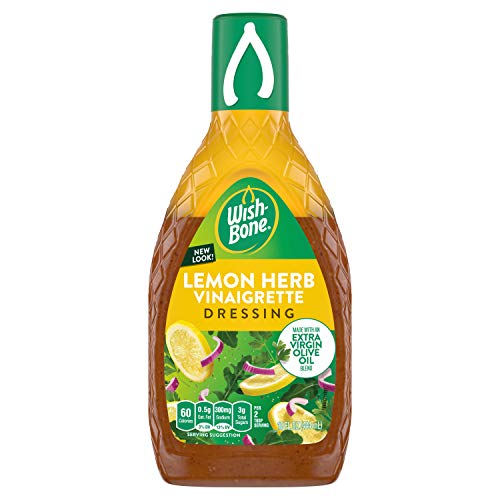
One 15 fl oz bottle of Wish-Bone Extra Virgin Olive Oil Blend Lemon Herb Dressing
Marinade Ingredients
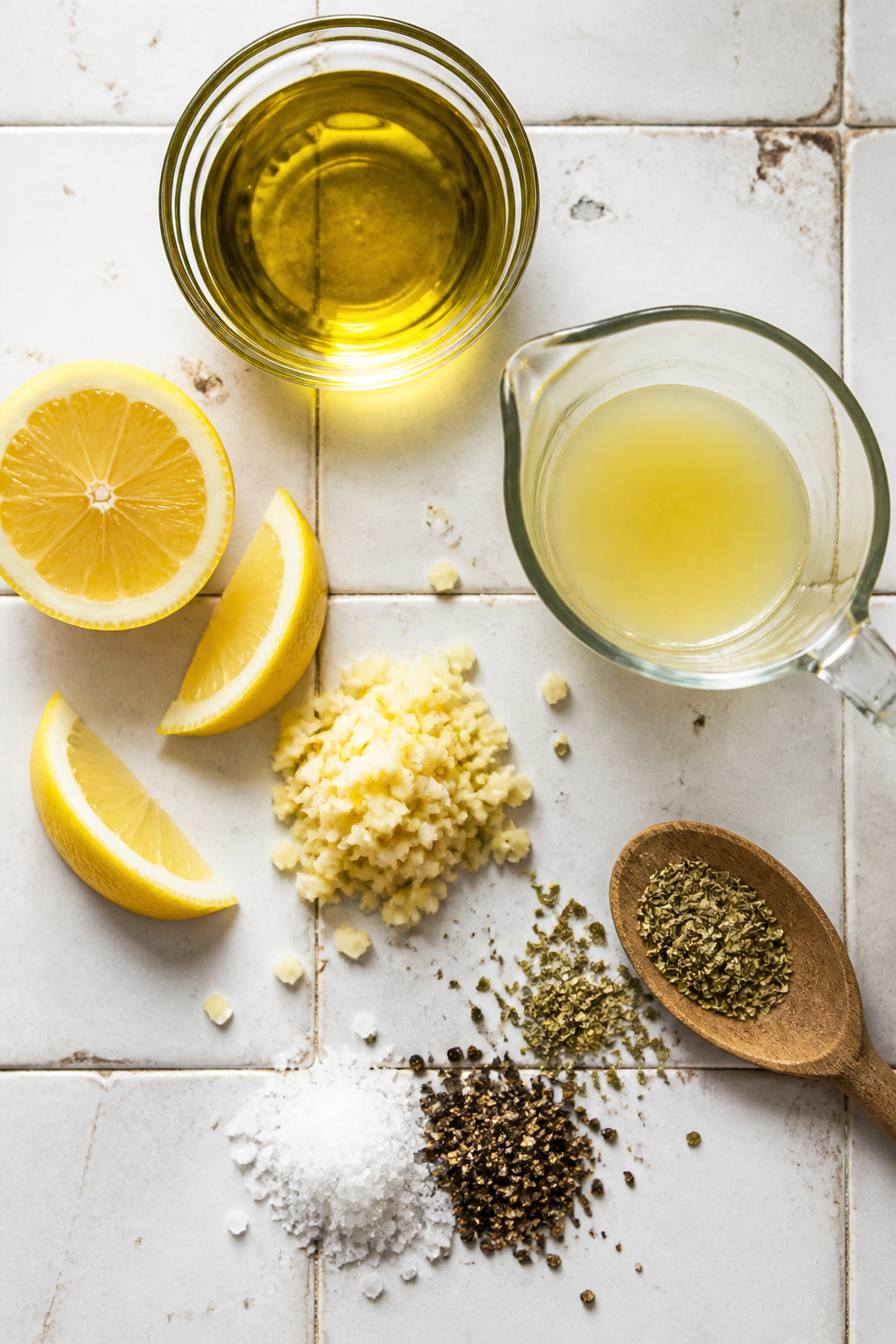
The marinade needs fat, acid, and aromatics in balance, and this one gets all three from pantry staples.
- ½ cup extra-virgin olive oil carries the fat. It coats the pork so the surface browns without drying out, and it carries the fat-soluble flavors of garlic and oregano into the meat.
- ¼ cup fresh lemon juice plus 1 tablespoon red wine vinegar supply the acid. Both tenderize by loosening the muscle fibers on the surface, and the lemon adds the bright note that reads as Greek first and foremost.
- 3 cloves garlic, minced or pressed gives the sharp, almost spicy base note. Some recipes blend the whole marinade smooth, but minced by hand works fine and saves cleanup.
- 1 teaspoon dried oregano is the non-negotiable herb. Greek oregano if you have it, but the regular jar from the spice aisle still delivers.
- 1 teaspoon salt and 1 teaspoon pepper season the meat directly; the salt also helps the pork hold moisture during grilling.
Optional additions that shift the profile without breaking the formula: paprika for color and a faint smoke, cumin for an earthier, almost Middle Eastern turn, or thyme if you want a woodier note alongside the oregano. I keep the base batch simple and add one extra only when I remember before the pork goes in the bag.
Recommended Products


GREEK GYRO SEASONING – A savory Mediterranean-inspired spice blend made for gyros, lamb, chicken, beef, pork, vegetables, potatoes, wraps, and bowls.

【Enhanced 6” Bamboo Skewers】 Φ= 4MM(0.16") thick, 100 count, packaged in sealed cans.
Marinate the Pork

Toss the pork into the marinade and work every piece until it is coated, turning the cubes and folding them through the oil and lemon. The timing matters less than the coverage; thirty minutes in the refrigerator will start the job, but overnight deepens both flavor and tenderness. I have pulled pork from the fridge after half an hour and after twelve hours, and the longer batch always wins on the grill. Seal the container, set it on a cold shelf, and let the acid do its work.
Recommended Products

RICH & BOLD FLAVOR: Reach for the flavor of bold garlic and rich olive oil to infuse everyday and special occasion meals with unforgettable flavor the whole family will love.

📈COLD PRESSED & FIRST PRESSED: Oregano COLD FUSED Extra Virgin Olive Oil. Has a full bodied oregano flavor and intense aroma.

A TRUE GOURMET BREAD DIPPING: Calivirgin Olive Oil Dipping Spices combine 5 diverse, gourmet flavors in a unique, irresistible & incredibly delicious spice mix; Basil, sun-dried tomatoes, garlic, parsley & oregano
Skewer the Meat

Thread the marinated pork onto skewers with a little breathing room between each cube. That gap is what lets the heat move around the meat instead of steaming the sides that touch. Four or five pieces per skewer is the workable range; more crowded than that and the outer ones overcook while the centers stay raw.
If you are working with wooden or bamboo skewers, soak them in water for at least 30 minutes first, and longer does not hurt. Dry wood catches fire on a grill faster than you would think, and a flaming skewer scorches the pork while you are still trying to cook it through. Metal skewers skip this step entirely, though they do conduct heat to the center of the cube a little faster, so the timing shifts slightly. Either way, the spacing matters more than the material.
Recommended Products

This spicy flavor pork jerky is made with lean cuts of pork ham. It features a subtle salty-sweet flavor, medium-level spiciness, a savory umami taste and a semi-dry texture.


This original flavor pork jerky is made with lean cuts of pork ham. It features a subtle salty-sweet flavor with a savory umami taste and a semi-dry texture.
Grill the Skewers

A preheated grill set to medium-high heat, about 400°F, gives the pork enough intensity to brown and char without incinerating the exterior before the center cooks through. Lower heat extends the window and leaches moisture; higher heat torches the marinade sugars and leaves the middle underdone. Turn the skewers every two to three minutes so each face spends time on the grates and the color evens out rather than stripes one side. The total cook runs 8 to 12 minutes, though a charcoal fire or a cooler gas burner can push that toward the longer end. The only reliable finish is internal temperature: pull the skewers when a thermometer reads 145°F throughout, which the USDA cites as the safe threshold for whole cuts of pork. A faint blush in the center at that temperature is normal and expected; the meat is fully cooked. Let the skewers rest before serving so the juices settle back into the fibers rather than running onto the plate.
Recommended Products

Meets standards for animal welfare, feed, and more, so you can know about what you're buying (and eating)

Rest and Serve

Pull the skewers off the grill and let them sit for five minutes before anyone touches them. That rest matters: cut too soon and the juices run out onto the cutting board instead of staying in the meat where they belong. The pork finishes more tender that way, and the difference between rested and rushed is the difference between dinner that holds up and dinner that dries out on the plate.
While the pork rests, warm the pita bread on the grill. The timing lines up neatly, and the bread picks up a little char that way.
Serve the pork with tzatziki, Greek salad, lemon wedges, and those warm pitas. The yogurt sauce cools the char, the salad cuts the richness, and the lemon brightens the whole plate. Fold it into a wrap or lay it out separately; either way the combination covers what pork souvlaki needs. This recipe serves 4 to 6 people, which is enough for a weeknight family dinner without leaving you with days of leftovers.
Recommended Products
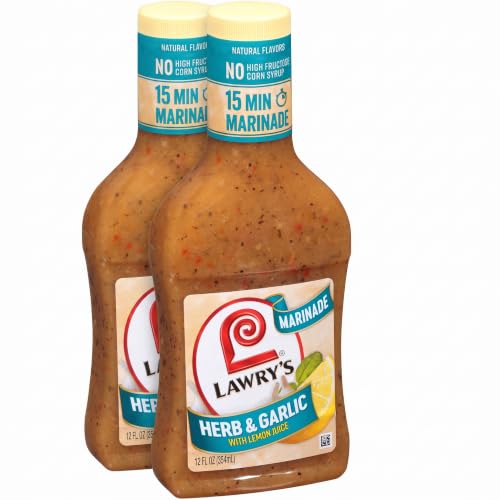
The information below is per-pack only

Premium Quality: Chef-crafted from carefully selected ingredients, our Lemon Pepper Garlic Sauce & Marinade boasts a pure taste with soy sauce, and flavors, experience the richness of authentic flavors in every bite.

New York State Fair–Inspired Flavor – A bright lemon and garlic marinade rooted in classic Upstate NY food traditions.
Cuts Compared

The cut you pick for pork souvlaki shapes the whole cook: how fast, how forgiving, and what you pay at the register. Tenderloin runs lean and cooks in minutes, but it dries out if you push past medium. Shoulder carries more fat and connective tissue, so it stays juicy through a longer grill and rewards a bolder marinade. Ribeye steaks sit in the middle on fat, deliver rich flavor, and cost more per pound than either alternative.
| Cut | Tenderness | Fat Content | Cooking Forgiveness | Price |
|---|---|---|---|---|
| Tenderloin | Highest | Lowest | Low; dries quickly | Lowest |
| Shoulder | Moderate | Higher | High; stays juicy longer | Moderate |
| Ribeye | High | Moderate | Moderate; harder to overcook than tenderloin | Highest |
Tenderloin wins for weeknight speed, shoulder for flavor when you have time to marinate deep and grill slow, ribeye when you want richness and do not mind the markup.
Recommended Products

【Enhanced 12" Bamboo Skewers】 Φ= 4MM(0.16") thick, 100 count, packaged in sealed cans.

【Enhanced 10" Bamboo Skewers】 Φ= 4MM(0.16") thick, 100 count, packaged in sealed cans.

PREMIUM STAINLESS STEEL, EXCELLENT PERFORMANCE-The kabob skewers are made of premium stainless steel which is food grade, rust proof and heat resistant. The heavy duty grill skewers are corrosion resistant and can last long. All edges around the metal skewers are well polished, making the barbecue skewers safe to use. Metal shish kabab skewer is of solid one-piece design. The bbq kabob sticks is thick enough, allowing you put more weight on each skewer without getting bent or twisted.
Cooking Methods

A live fire, whether gas or charcoal, gives pork souvlaki what the oven cannot: charred edges and actual smoke. The parents who ran the kitchen at Opa! Willow Glen grilled everything outdoors, turning skewers until the meat carried only a hint of pink inside and hit 145°F throughout. That temperature matters. Pork loin dries fast, and even five degrees past 145°F turns juicy cubes into something you chew longer than you wanted to.
The oven at 425°F on a rack set inside a roasting tray will cook the skewers through in about five to seven minutes per side. What it will not do is brown them. The broiler helps, but the result still looks pale against what a grill produces. Without the fat and char shielding the surface, oven pork also sails past that 145°F mark faster than you expect. A thermometer is not optional here; it is the only thing standing between dinner and disappointment.
A stovetop grill pan splits the difference. You get marks, some Maillard flavor, and no outdoor setup. Four to five minutes per side over medium-high heat does it, though you will need to blot released moisture as you go or the pork steams in its own juices instead of searing. A normal pan works too, but the lines matter more than you think: they are the only visual cue that you came close to the real thing.
Recommended Products

IMMUNE SUPPORT DROPS: Six drops of Garden of Life Oil of Oregano delivers concentrated oregano oil for all seasons, plant based immune support and wellness*

Badia Whole Oregano delivers a warm, slightly bitter, and peppery flavor that’s essential in countless recipes. It’s a key herb for Italian, Latin, and Mediterranean cuisines, enhancing sauces, meats, and more

READY-TO-USE -- Oil of oregano organic liquid drops. Pre-mixed blend with 1 part steam-distilled oregano oil (75% carvacrol) and 3 parts extra virgin olive oil. Both oils from Mediterranean Spain.
Marinade Variations

The acid in a souvlaki marinade does more than add flavor; it loosens the muscle fibers so the pork turns tender instead of tough. Too much lemon or vinegar, though, and the surface can go mushy before the grill ever touches it.
A few ways to shift the balance:
- More lemon juice brightens the whole dish, especially in summer. Fresh-squeezed is the only kind worth using; bottled juice flattens out fast.
- More red wine vinegar pushes the tang sharper and deeper. The vinegar works harder on tenderness than lemon does, so bumping this up is the move when the cut needs extra help, like pork shoulder that sat an hour longer.
- Smoked paprika adds color you can see across the table and a subtle heat that reads as char even on a stovetop grill pan. One source reaches for this specifically when cooking indoors.
- Ground cumin warms the marinade without taking over; it sits underneath the oregano instead of competing with it.
- Fresh thyme layered with dried oregano gives an herbal depth that reads more complex than either herb alone.
The base recipe already carries olive oil, garlic, salt, and pepper. These five shifts are starting points, not additions all at once. Pick one direction and let the pork tell you if the balance worked.
Recommended Products
This spicy flavor pork jerky is made with lean cuts of pork ham. It features a subtle salty-sweet flavor, medium-level spiciness, a savory umami taste and a semi-dry texture.


Why Marinade Matters

Acid does the heavy lifting in a souvlaki marinade. Lemon juice and red wine vinegar both denature pork proteins, which is the technical way of saying they unwind the muscle fibers enough that the meat turns tender rather than tough on the grill. The acid also holds moisture in, which matters more than you might think for lean cuts.
Oil carries the fat-soluble compounds your tongue actually registers as flavor. Without it, garlic and dried oregano sit on the surface; with enough olive oil, they penetrate deep into the pork over hours. Most recipes call for at least six hours, and the difference between that and a quick thirty-minute soak is real. Overnight wins for depth. The garlic mellows, the oregano blooms, and the vinegar loses its sharp edge while keeping its tenderizing power.
I have tried the shortcut. The meat cooks fine, but the flavor stays shallow, almost like the marinade was an afterthought rather than the point.
Serving Styles
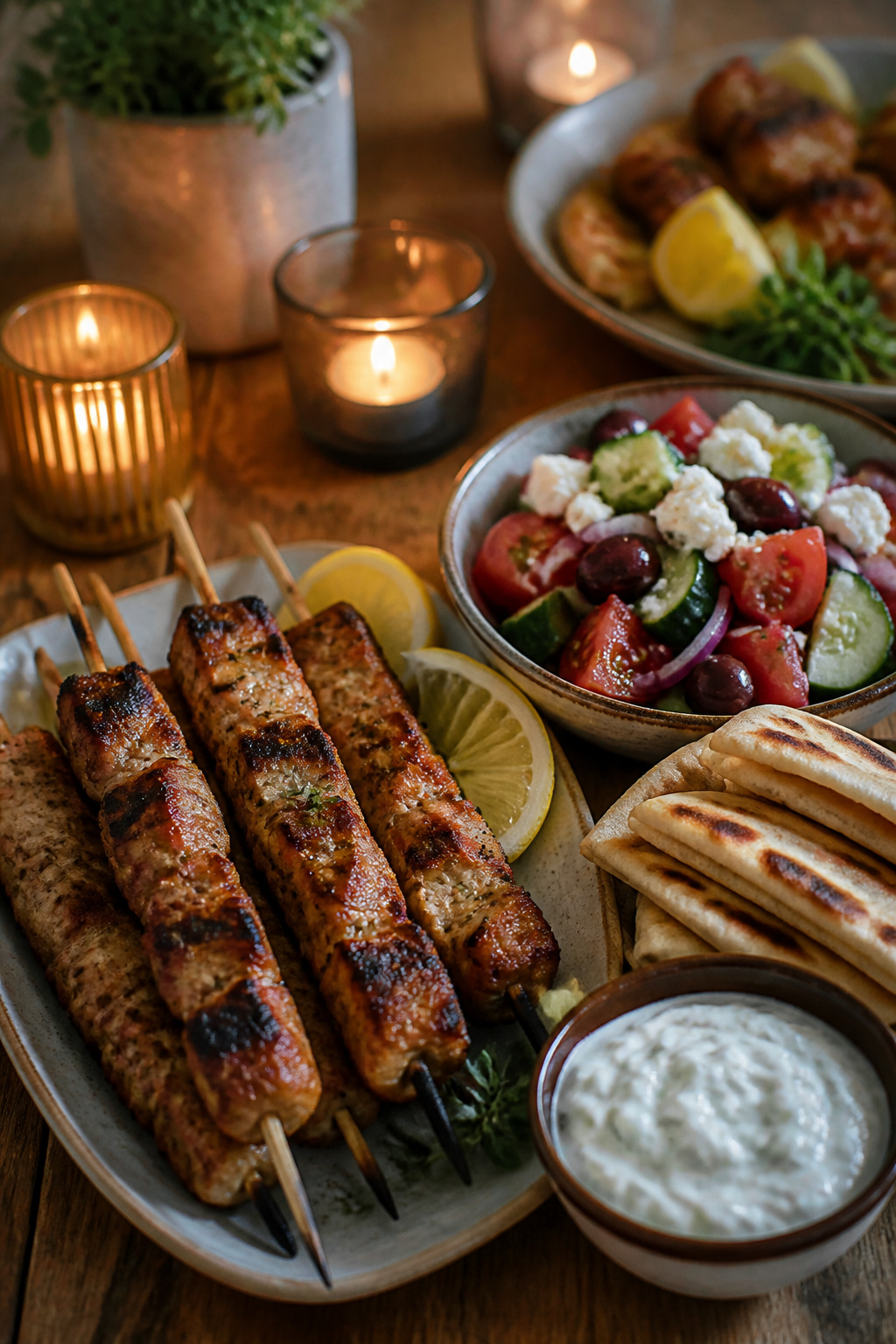
Greek souvlaki lives a double life, and the pork skewer you just pulled off the grill flips easily between both. Slide the meat off the stick into warm pita bread with tzatziki, sliced tomato, and red onion, and you have the street-food version: the bread soaks up the marinade’s juices while the yogurt sauce cools any heat from the oregano and garlic. The onion and tomato cut through the richness of the grilled fat.
For a sit-down meal, keep the skewers intact and plate them with rice and a Greek salad on the side. The lemon wedges scattered across the plate do more than look pretty: a quick squeeze over the pork brightens the olive oil and lemon juice already in the marinade. Some tables add roasted potatoes or even a handful of fries tucked into the pita, though the core balance stays the same. The starch carries the meal, the salad refreshes the palate between bites of rich meat, and the tzatziki ties everything together whether you serve it as a wrap or on the side.
Frequently Asked Questions
What cut of meat is best for souvlaki?
Pork tenderloin is the best cut for souvlaki because it stays tender after grilling and takes marinade cleanly without fat pockets that flare on the fire. Shoulder works if you want richer flavor, and ribeye pork chops are an option when the butcher case is thin, though both need more attention on the grill.
How long should I marinate the pork?
Marinate pork souvlaki for at least 30 minutes in the refrigerator, but overnight deepens both flavor and tenderness. The acid in the marinade loosens muscle fibers and holds moisture in, and the difference between a quick soak and a long rest is real on the grill.
Can I cook souvlaki in the oven?
You can cook souvlaki in the oven at 425°F on a rack inside a roasting tray for about five to seven minutes per side, but it will not brown properly without a broiler assist. The oven also pushes pork past 145°F faster than you expect, so a thermometer is essential to avoid dry meat.
What is the difference between souvlaki and kebabs?
Souvlaki is Greek while kebabs carry Turkish origins, and pork sits comfortably on Greek menus while pork kebabs rarely appear in Middle Eastern traditions where kebabs originated, since many communities there do not consume pork. In Greece itself, pork is the meat you will actually find on the street.