
Creamy lemon chicken orzo is a one-pot pasta dinner built on a deliberate sequence: toasted orzo simmers in broth until its own starch thickens the liquid, then cream, lemon, and parmesan finish it off the heat. The catch is timing. Add the cream too early and the proteins tighten; let the orzo go untoasted and you get gummy softness instead of nutty chew. Boneless thighs carry it best, though rotisserie chicken stirred in at the end saves a step.
Chicken

Boneless, skinless chicken thighs carry this dish better than breasts in a creamy lemon sauce, since the extra fat keeps them from tightening up while the orzo simmers. Breasts work fine, but slice thick ones in half horizontally so they cook at the same rate. Either way, pull the meat at 165°F internal temperature and let it rest a few minutes before cutting.
You have two paths here. Season raw thighs or breasts with oregano, paprika, garlic powder, salt, and pepper, then sear them in a little oil right in the pot before the orzo goes in. That fond on the bottom pays into the sauce. Or skip the raw chicken entirely and stir in about two cups of cooked rotisserie chicken at the end, cut into bite-sized pieces. Leftover roasted chicken from last night works the same way. The rotisserie route saves a step and a pan, and the bird is already seasoned.
Recommended Products

No Antibiotics Ever
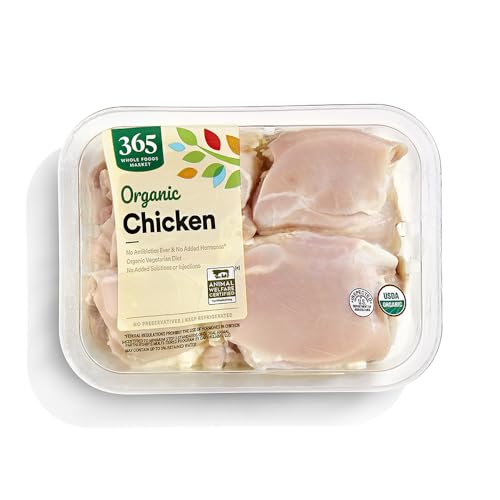
365 by Whole Foods Market products give you that dance-down-the-aisles feeling, virtual aisles too! Our huge range of choices with premium ingredients at prices you can get down with makes grocery shopping so much more than tossing the basics in your cart.

Meets standards for animal welfare, feed, and more, so you can know about what you're buying (and eating)
Orzo
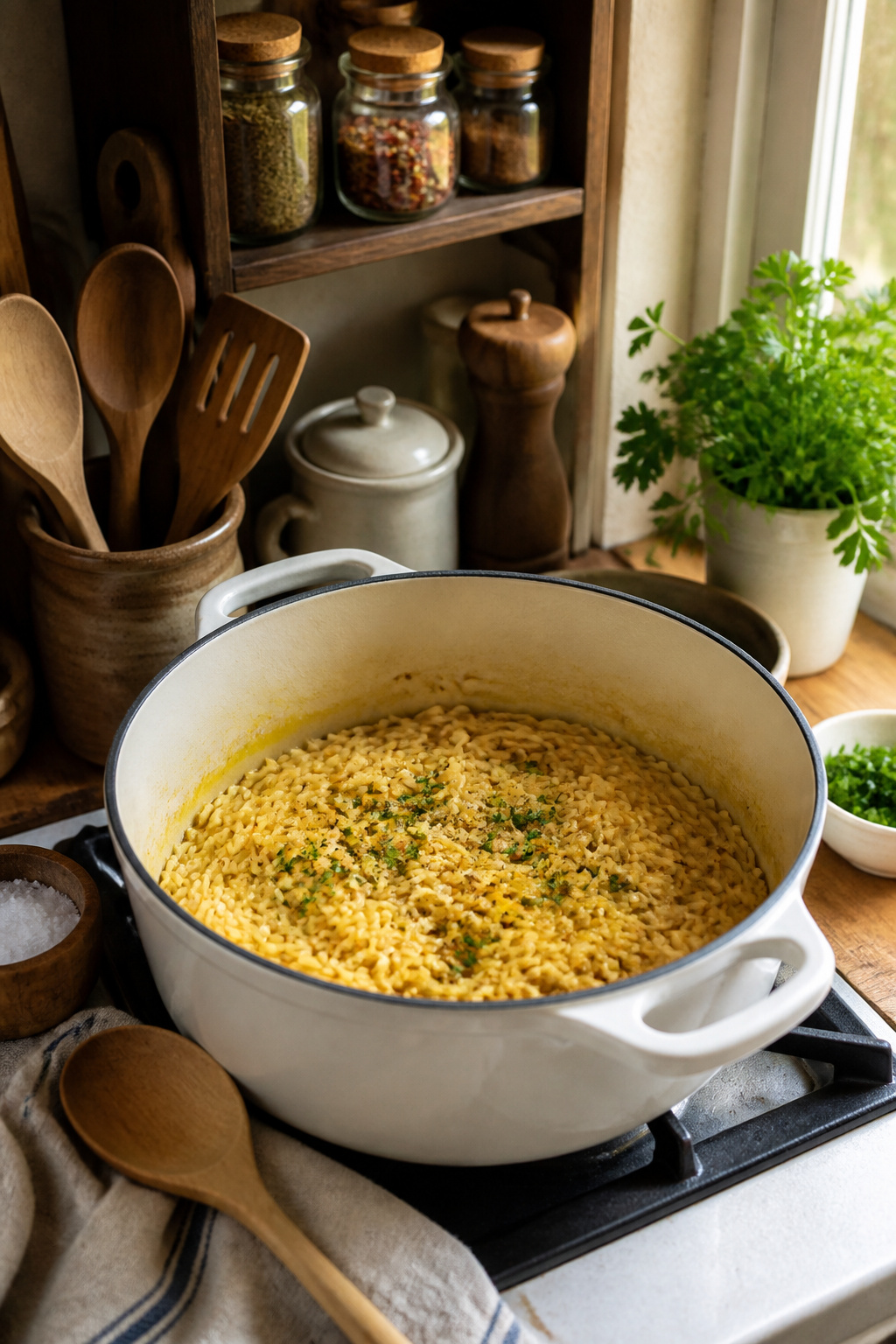
Orzo is a short-cut pasta shaped like rice, and that shape is what makes this dish work. The small grains stay distinct enough to keep the texture interesting, but they release enough starch to thicken the cooking liquid into something creamy without needing a separate roux or heavy cream base.
I always toast the orzo first in a mix of olive oil and butter before any liquid goes in. The fat coats each piece, and the heat turns the edges golden and nutty. That step takes maybe three minutes and it is not optional. Untoasted orzo cooks up soft and gummy; toasted orzo keeps a little chew and carries a deeper flavor through the whole pot.
The toasting step matters more than the brand of pasta you buy. Once the liquid hits, the orzo simmers for about 10 to 12 minutes. Stir it a couple of times early on so nothing clings to the bottom, then let it go. By the time the liquid has mostly absorbed, the starch from the pasta itself has done the thickening work.
Recommended Products
ORZO PASTA: Orzo pasta is traditionally found in soups, but this very versatile, rice-shaped pasta has been widely adapted for both main courses as well as side dishes

Organic orzo pasta from Italy

PREMIUM ORZO PASTA: Made with 100% enriched durum semolina wheat, RiceSelect’s premium orzo rice pasta is a perfect pantry staple. This small pasta resembles large grains of rice. It is incredibly versatile, works as a base to create unforgettable flavors, and cooks in only 10 minutes!
Lemon

Fresh lemon juice and zest do two different jobs in this dish, and most recipes mention both without telling you how much. The juice brings acidity that cuts the cream; the zest carries the volatile oils that smell like lemon rather than just sour. Start with 2 tablespoons of juice and 1 teaspoon of zest, then taste and adjust. The zest quantity especially is worth bumping up if your lemons are older or on the small side.
Heat strips those oils fast. Add the zest off the flame, or stir it in at the very end with the cream and Parmesan. The juice can go in then too, though it is slightly more forgiving. What you want is the aroma hitting you when you lift the fork, not a cooked-out whisper of it.
Recommended Products

Naturally Bright Lemon Zest: Enhance your baking, tea, or spice blends with our dried lemon zest, crafted from real lemon peel. Add a bright citrus flavor that elevates every recipe

Tangy and acidic, perfect for balancing out sweetness in any dish or adding a zing to any drink

Fresh lemons with bright, tart juice for cooking and beverages
Cream

Half a cup of heavy cream is enough to turn brothy orzo into something that coats the spoon without dulling the lemon. I pour it in after the orzo has had its first ten minutes in the chicken broth, so the pasta drinks up the savory base before the fat rounds everything out. Go up to a full cup if you want a looser, almost-soup texture, but the half-cup mark keeps it plateable for weeknight eating.
Full-fat coconut milk from a can works the same way for anyone skipping dairy. The flavor shifts slightly, though the lemon still cuts through. Country Crock Plant Cream is another option if you want something closer to neutral. Either way, add the cream after the broth has reduced and the orzo is nearly tender, not at the start, or the proteins can tighten and separate in the heat.
Recommended Products

Campbell's Condensed Sauces, new from America's favorite soup maker, make dinner easy when you add your favorite protein

CRAVEABLE SAUCE: Crafted with ingredients including lime juice, jalapeno peppers, and cilantro.

The information below is per-pack only
Spinach

Fresh baby spinach goes in last, after the heat is off. Two cups packed into the pot looks like far too much, but it wilts down to almost nothing in about three minutes. Stir it through the creamy orzo with the lid on and let residual heat do the work. The leaves keep their color and a little structure this way instead of dissolving into the sauce, which happens fast if the burner stays on. I add the spinach in two batches when the pot is full, stirring the first handful in until it collapses before the second goes in. That keeps the cream from cooling too much and the leaves from clumping. The brief wilt also means the spinach still reads as a vegetable on the plate, not a green stain, and it keeps the nutrition intact since you are not boiling it to death.
Recommended Products

This item is typically available for pickup/delivery between 10am-6pm

One 9 ounce tray of Sliced Rotisserie Seasoned Chicken Breast

This item is only available for delivery or pick-up between 9am and 10pm
Parmesan Cheese

Freshly grated Parmesan melts into creamy lemon chicken orzo in a way that pre-grated cheese from the green can never quite manages. The cellulose powder coating those shreds to prevent clumping is the same thing that keeps them from dissolving smoothly into hot liquid, leaving you with grainy streaks instead of a unified sauce. A Microplane or the fine side of a box grater gives you light, feathery shreds that disappear almost on contact with the warm orzo.
I add the cheese off the heat, after the pot has left the burner. High temperatures can make even good Parmesan turn stringy or separate into oily pools, and the residual warmth in the pan is plenty to melt it through. Start with one-third to one-half cup for a full batch, then taste and adjust. The lemon in this dish brightens the saltiness, so you may find yourself wanting a little more than you would in a plain cream pasta.
Recommended Products

Fresh Chicken Boneless, Skinless Thighs


No Antibiotics Ever
Seasonings

The aromatic base for creamy lemon chicken orzo starts with olive oil and butter together in the pot, not one or the other. The butter gives richness and the oil keeps it from scorching when the heat is medium. Onion goes in first, sweet Vidalia if you have it, and you are cooking until it turns soft and translucent, about four minutes. Not browned. Browning an onion here pushes the whole dish toward a darker, sweeter flavor that fights the lemon instead of lifting it.
Garlic and Italian seasoning follow, plus the orzo to toast for a couple of minutes. That toasting step matters more than it sounds; the orzo takes on a nutty depth and the herbs bloom in the hot fat so they do not read dusty against the cream. The garlic only needs thirty seconds before the liquid goes in, long enough to lose its raw edge, short enough to keep from turning bitter.
Salt and pepper come at the end, after the parmesan and broth have done their work. Both bring salinity, and parmesan especially can push a dish over the edge if you seasoned aggressively at the start. I have oversalted this more than once by guessing early. Taste after the cheese melts in, then adjust.
Recommended Products

Orzo, which means “barely” in Italian, is tiny rice-shaped pasta made from durum wheat semolina.

Orzo belongs to the minute pasta family to be cooked in broth. This pasta shape was undoubtedly invented to stimulate the imagination of children who commonly eat this pasta in baby food and vegetable soups. The pasta resembles small grains and is fun and appealing.

IDEAL PAIRING - Excellent for the preparation of soups. Ideal with meat and vegetable broths, for both light broths and dense,velvety soups. Great for introducing young eaters to the world of pasta
One-Pot Method

- Toast the orzo dry in the pot for 2–3 minutes after the aromatics go soft. That direct heat gives the pasta a nuttier edge and opens its surface so it drinks up the broth instead of just getting wet.
- Pour in broth, cream, and lemon juice, then let it bubble gently for 10–12 minutes uncovered. Stir every so often and dial the heat down to medium-low if it looks like it’s boiling hard. You want a lazy simmer, not a rolling one, or the liquid vanishes before the orzo turns tender.
- The orzo releases starch straight into that broth-cream mixture. No side pot of water, no draining, no losing the thickening power down the sink. The sauce builds itself while the pasta cooks.
- Fold in the cooked chicken once the liquid is mostly absorbed. Pull the pot off the heat, add parmesan and spinach, then cover it for 3–5 minutes. The residual heat wilts the greens and lets the starch set into a proper creamy sauce.
- The whole run lands somewhere between 20 and 45 minutes depending on whether you marinated the chicken ahead or cook it fresh in the skillet first. Either way, one vessel, one cleanup.
Recommended Products

LEMON EAU DE PARFUM inspired by the scent of our Lemon Body Cream. Refreshing and light with citrus notes, lemon leaves, and warm white musk undertones.

Selected and stored fresh

PACK SIZE: 1lb. All lemons. All seedless
Ingredient Swaps
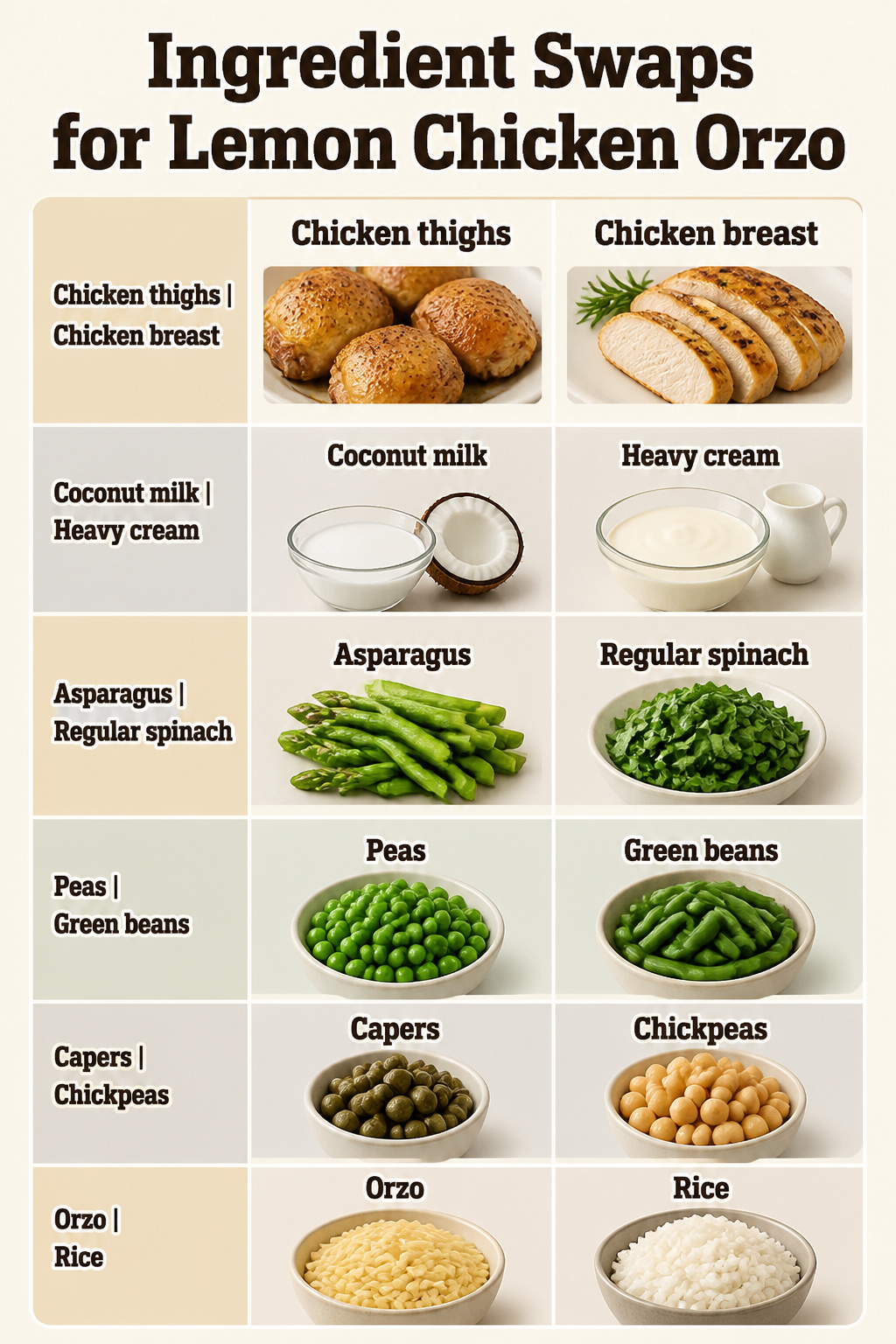
Chicken thighs hold up better than breast if you want a little more forgiveness on timing. They stay moist even if the pot sits a minute longer, and the fat they render adds body to the sauce. Breast works fine, just slice thick ones in half horizontally so they cook evenly.
Heavy cream is the safer bet for the sauce. Half-and-half or milk will break or thin out under the heat and lemon juice, so the glossy finish disappears. Full-fat coconut milk is the one alternative that holds, though it shifts the flavor toward something brighter and less rich.
For greens, asparagus is the first choice: cut it small, sauté it briefly, then fold it in at the end. Peas take no prep at all, and green beans play nicely with the lemon. Regular spinach works if you chop it first; baby spinach just wilts in.
| Swap | What changes | Best for |
|---|---|---|
| Chicken thighs | More fat, more forgiving | Longer simmer, deeper sauce |
| Coconut milk | Lighter, brighter finish | Dairy-free or lighter table |
| Asparagus | Crisp bite, spring look | Quick sauté before adding |
| Peas | Zero prep, sweet pop | Last-minute addition |
| Capers | Briny punch | Already salty, so watch the broth |
| Chickpeas | Hearty, vegetarian | Extra bulk instead of chicken |
Orzo is pasta shaped like rice, but that shape is the end of the similarity. Rice needs different liquid ratios and a longer cook time, so the one-pot math falls apart. Stick with orzo.
A handful of capers or a drained can of chickpeas stirred in at the finish adds salt or heft without extra pans.
Recommended Products

one 12 fl oz bottle of s&f lemon dill chef sauce

Classic Hollandaise Taste: Concord Foods Hollandaise Sauce Mix is rich with notes of lemon and butter, just like the classic - add water, heat, and serve a smooth, creamy sauce in minutes; no whisking egg yolks over a double boiler

Lemon Butter Dill Sauce complements seafood’s great taste
Serving and Leftovers

A single batch of creamy lemon chicken orzo feeds 4 to 6 people, which makes it practical for a weeknight family dinner without the arithmetic of scaling. The richness of the sauce means the sides should do light work: a crisp salad with something sharp in the dressing, roasted asparagus or green beans, or a loaf of garlic bread for the last of the sauce on the plate. Bread is optional, but the night I skip it I usually wish I had not.
Leftovers keep for 3 to 4 days refrigerated in a tight container. The orzo drinks up the sauce overnight, so the reheat needs a splash of chicken broth to loosen it back to creamy. Gentle heat matters here; a low flame on the stovetop or half power in the microwave keeps the chicken from turning tough. I do not bother freezing it; the texture after thawing is not worth the freezer space.
Recommended Products

22 OZ PACK: One 22 oz mega pack of Oscar Mayer Deli Fresh Rotisserie Seasoned Chicken Breast

Brought to you by Whole Foods Market. When it comes to innovative flavors and products sourced from artisans and producers around the world, the Whole Foods Market brand has you covered. Amazing products, exceptional ingredients, no compromises.
Held to higher ingredient standards, so you can feel good about what you're buying (and eating)
Frequently Asked Questions
Can I use rice instead of orzo?
Stick with orzo. Rice needs different liquid ratios and a longer cook time, so the one-pot method falls apart. Orzo is pasta shaped like rice, but that shape is where the similarity ends. The orzo releases starch into the broth as it simmers for 10 to 12 minutes, thickening the sauce without a separate roux.
How can I make this dish dairy-free?
Swap the heavy cream for full-fat coconut milk from a can or Country Crock Plant Cream. Both hold up under heat in a way that half-and-half or milk do not. Omit the Parmesan, or use a dairy-free alternative that melts well, and add it off the heat so it does not separate.
What can I add to this recipe for extra flavor?
A handful of capers stirred in at the finish adds briny punch, or a drained can of chickpeas adds heft for a vegetarian version. For vegetables, cut asparagus small and sauté it briefly before folding it in, or add peas or green beans with the lemon. Fresh baby spinach goes in last, after the heat is off, and wilts in about three minutes.