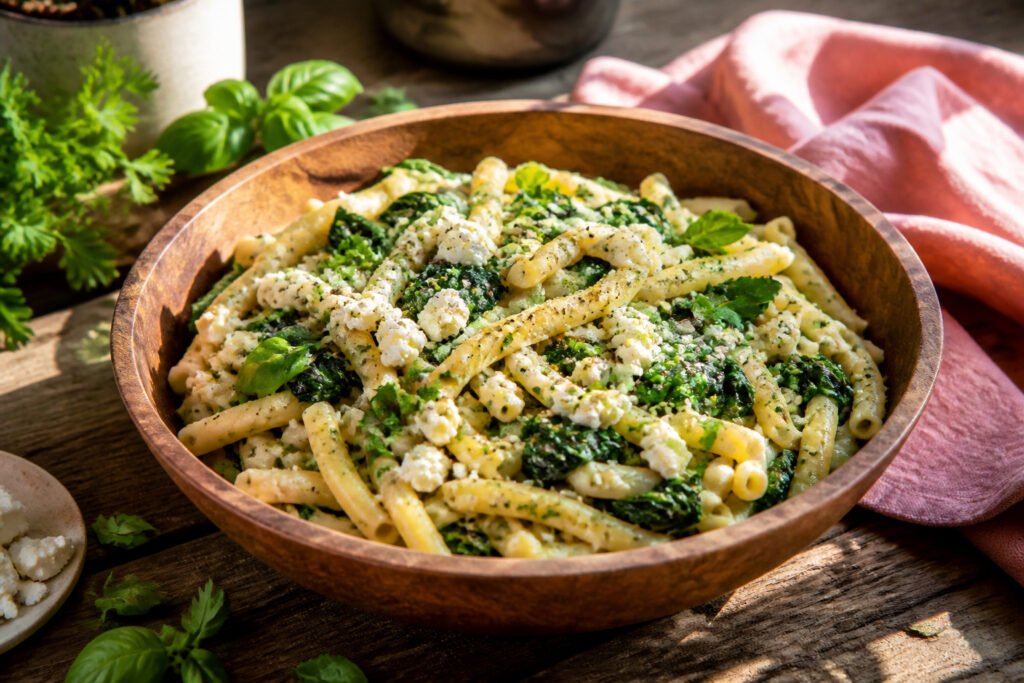
This spinach feta pasta tastes tangy and creamy, with wilted spinach folded through rather than disappearing into the sauce. The thing that separates it from the versions that turn dry or grainy is the reserved pasta water you ladle out before draining: half a cup loosens block feta into an actual sauce in the skillet, something pre-crumbled cheese with its anti-caking powder will never do. Fifteen minutes from pot to plate.
Cook the Pasta

Bring a large pot of water to a boil and salt it well. Drop in 8 ounces of penne, rigatoni, or fusilli and cook until al dente. The box will give you the exact minute count, and it pays to check it: a ridged tube like rigatoni needs more time than a spiraled fusilli of the same brand, so set your timer to the lower end of the range and taste a minute early. Before you drain, dip out ½ cup of that starchy water and set it aside. That reserved water is what loosens the feta into a sauce later, and once the pot is empty, you cannot get it back. Drain the pasta and move on; the spinach and garlic are waiting in the skillet.
Recommended Products

Authentic Italian Pasta: De Cecco Penne Rigate No. 41 is a traditional Italian pasta with a short, diagonal cut, ridged shape. The surface allows the pasta to perfectly capture and hold thick, flavorful sauces

One of the most famous Italian pasta shapes is named for the quill of an old style ink pen

16 oz organic penne rigate
Sauté the Garlic

Warm 1 tablespoon extra virgin olive oil in a large skillet over medium heat. Add 3 garlic cloves, minced or thinly sliced, and cook until fragrant, about 1 to 2 minutes. Do not let the garlic brown. The moment it turns golden, it turns bitter, and that bitterness carries through the whole sauce.
Some recipes push the heat to medium-high and let the edges color, but for this dish I keep the flame lower and pull the pan off early. The garlic just needs to soften and release its sweetness into the oil, nothing more. That mellow base is what lets the feta and spinach sit forward in the finished bowl, not fight with a toasted, almost burnt note underneath.
Recommended Products

SMOOTH EXTRA VIRGIN OLIVE OIL BULK SIZE: Expertly crafted by The Olive Oil People using first cold pressed olives, Smooth EVOO with naturally occurring polyphenols


One 51 fluid ounce bottle of Extra Virgin Olive Oil, Cold Extracted
Wilt the Spinach

Ten ounces of fresh spinach looks like too much until it meets the heat. I drop it into the pan in handfuls, turning it with tongs as the leaves collapse and darken. The whole pile wilts down to a modest green tangle in about two minutes, just enough to fold into the pasta later without turning slimy.
Frozen spinach works if that is what you have. Thaw it fully first, then squeeze out as much water as your hands can manage; otherwise the sauce turns loose and grainy. The texture ends up softer, more like a puree than distinct leaves, which some nights is exactly what I want and other nights is not.
Frozen spinach adds just enough in the way of vegetables to make this qualify as a one-pot meal, and it truly needs nothing more to make for a satisfying and very easy dinner.
That is the tradeoff: fresh gives you structure and a little chew, frozen gives you speed and a smoother fold.
Recommended Products

Washed and ready to enjoy

365 by Whole Foods Market products give you that dance-down-the-aisles feeling, virtual aisles too!

Usda Organic, excellent source of Vitamin K & a
Add the Feta

Block feta is the only kind that belongs in this dish. The 7 oz block, crumbled by hand, carries moisture and structure that pre-crumbled cheese lost somewhere between the brine and the anti-caking powder. That powdery coating on the bagged stuff keeps it from melting into anything resembling a sauce; it sits in the pan like gravel. A block breaks down slowly, leaving streaks of creamy salt through the wilted spinach.
I crumble it roughly, uneven pieces about the size of a thumbnail down to pea-sized bits. The variation matters: smaller fragments dissolve into the spinach’s released water, while larger chunks hold their shape just enough to leave pockets of tangy richness in the finished bowl. Stir the feta through the hot spinach for maybe two minutes. The cheese will not fully melt, and it should not. What you want is that first softening, the edges turning creamy while the centers stay distinct. The spinach darkens from bright green to something deeper, almost black-green in spots, and the pan takes on a faint briny sheen. Stop there. The residual heat of the pasta will finish what the skillet started.
Recommended Products

Brought to you by Whole Foods Market

One 8.0 oz. tub of Athenos Traditional Feta Cheese Chunks

Origin: United States
Combine and Finish
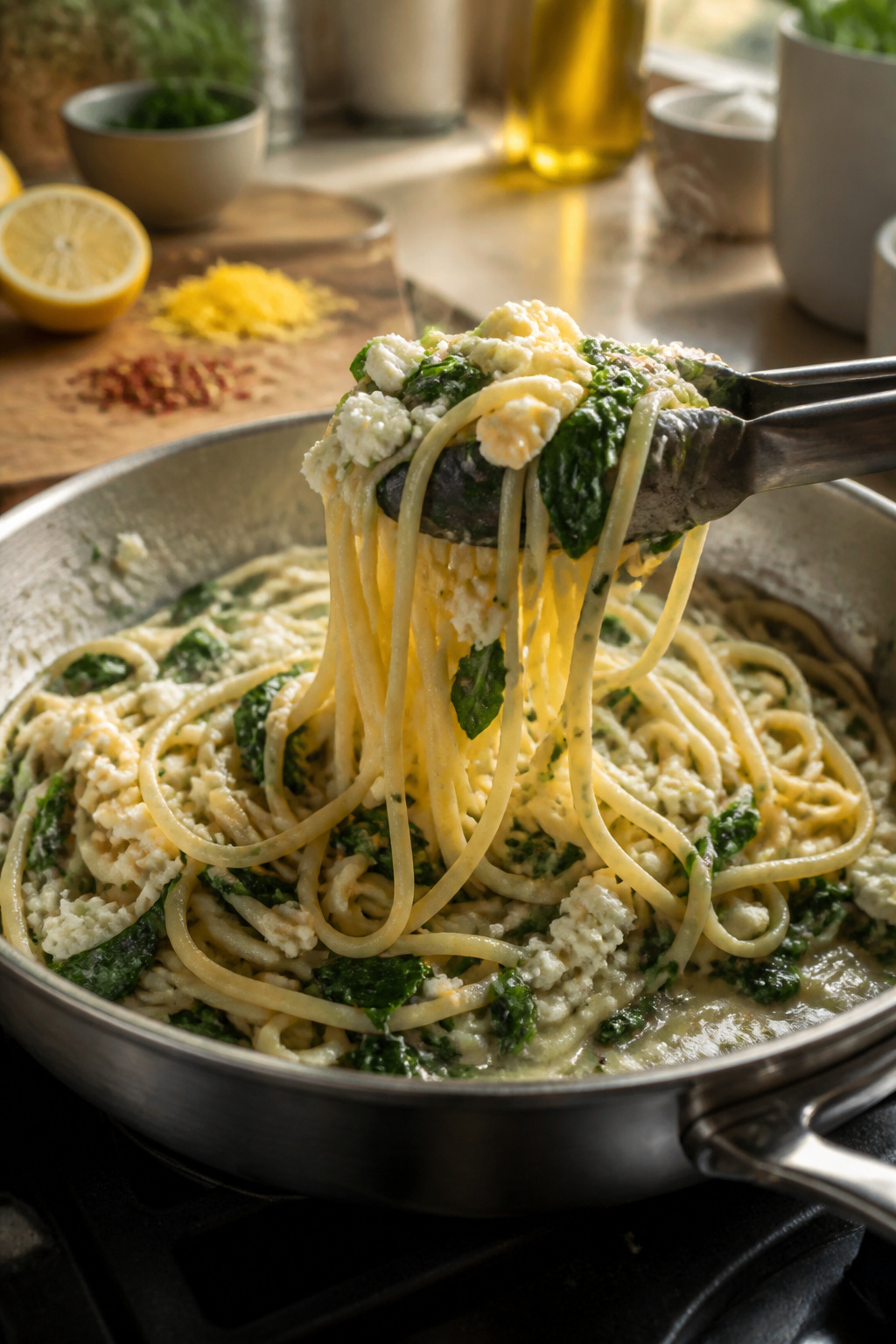
The drained pasta goes in while it is still hot, along with ½ cup of the reserved pasta water and 1 tablespoon of lemon juice. I usually start with less water than I think I need; the feta has already softened, and you can always add more starch a splash at a time if the skillet looks tight. A pinch of chili flakes at this stage wakes the whole thing up, though I leave them out when I am cooking for my daughter.
Tossing matters more than stirring here. Lift the pasta up through the spinach and feta with tongs or two forks, letting the strands or tubes carry the sauce rather than pushing it around. The pasta water and melted feta emulsify into something creamy in about thirty seconds of real motion, not two minutes of gentle mixing. The sauce should cling, not pool; if it slides off the pasta and collects in the bottom of the pan, you have gone too far with the water. A dry handful of pasta back into the pot fixes that in about ten seconds.
Recommended Products
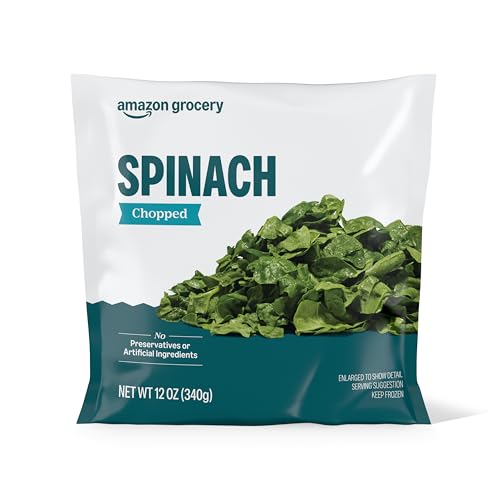
One 12 ounce bag of Frozen Chopped Spinach

Brought to you by Whole Foods Market

Brought to you by Whole Foods Market
Serve

A last drizzle of olive oil over each bowl does more than look nice; it carries the pepper and any extra parmesan into the pasta so the first bite tastes finished. Total time from pot to plate is about 15 minutes, which matters on a Wednesday when the kids are already asking what’s next. The dish sits light enough that crusty bread on the side turns it into a meal, or a simple salad with lemon if you want the greens to echo what’s in the bowl. Either way, the cleanup is one pot and a cutting board, so the evening still belongs to you.
Recommended Products

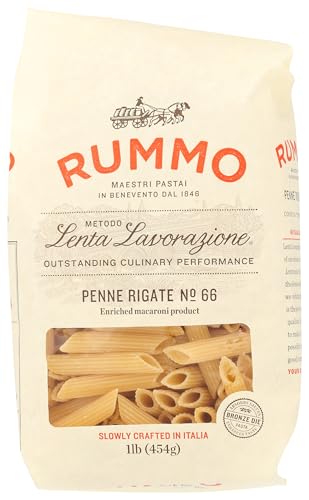
Rao’s Homemade Penne Rigate is a ridged pasta with a perfect al dente texture and a delicious flavor that speaks for itself
This delicious treat not only tastes good, but it's also made with good quality organic ingredients

Premium Italian penne rigate made from durum wheat semolina
Pasta Shapes That Work

Short pasta with ridges or tubes catches this sauce far better than long strands ever will. Penne, rigatoni, and fusilli each carry the creamy feta and wilted spinach in their hollows or grooves, while linguine lets most of it slide back to the plate. The NYT recipe sticks to short shapes for exactly this reason, calling for rigatoni, shells, or campanelle specifically.
| Shape | Structure | How It Holds the Sauce |
|---|---|---|
| Penne | Smooth tubes with angled ends | Catches filling inside; moderate grip on the exterior |
| Rigatoni | Wider tubes with ridges | Best for thick, creamy sauces; ridges grab feta, tubes hold spinach |
| Fusilli | Tight spiral grooves | Catches sauce in corkscrews; good but less room inside |
| Linguine | Flat long strands | Poor fit; sauce coats briefly then pools below |
Rigatoni wins here. The larger diameter means chunks of spinach and feta disappear into each piece instead of clumping on the surface. Fusilli works in a pinch, but the tighter curl can trap too much filling in one bite and leave the next nearly bare. Penne is the safe fallback, the one already in most pantries. Linguine belongs to olive oil and garlic, not to a sauce this heavy.
Recommended Products


ROBUST EXTRA VIRGIN OLIVE OIL BULK SIZE: Expertly crafted by The Olive Oil People using first cold pressed olives; Bold EVOO extra virgin olive oil with naturally occurring polyphenols

One 32 fl oz bottle of Bertolli Non-GMO Extra Virgin Olive Oil, Rich Taste
Block Feta vs. Crumbled

Pre-crumbled feta costs more per ounce and delivers less. The block I buy runs about $10 for Murray’s, while the crumbles often hide a smaller package at the same price. That powdery coating on the pre-crumbled stuff is an anti-caking agent, and it does two things you don’t want in a spinach feta pasta: it dulls the cheese’s tang, and it stops the feta from melting into the creamy sauce this dish is built around.
Block feta holds up to roasting and breaks down smoothly when you smash it with the back of a spoon against the warm tomatoes. The whole piece softens from the outside in, giving you control over how chunky or silky the sauce gets. Low-fat blocks are a separate trap; they won’t melt the same way and the flavor falls flat, so skip them.
Buy the block and crumble it yourself. It takes thirty seconds, saves a couple of dollars, and the sauce comes out better every time.
Recommended Products

Washed and ready to enjoy, recipe ready

Selected and stored fresh

Usda Organic, excellent source of Vitamin K & a
Fresh Spinach vs. Frozen
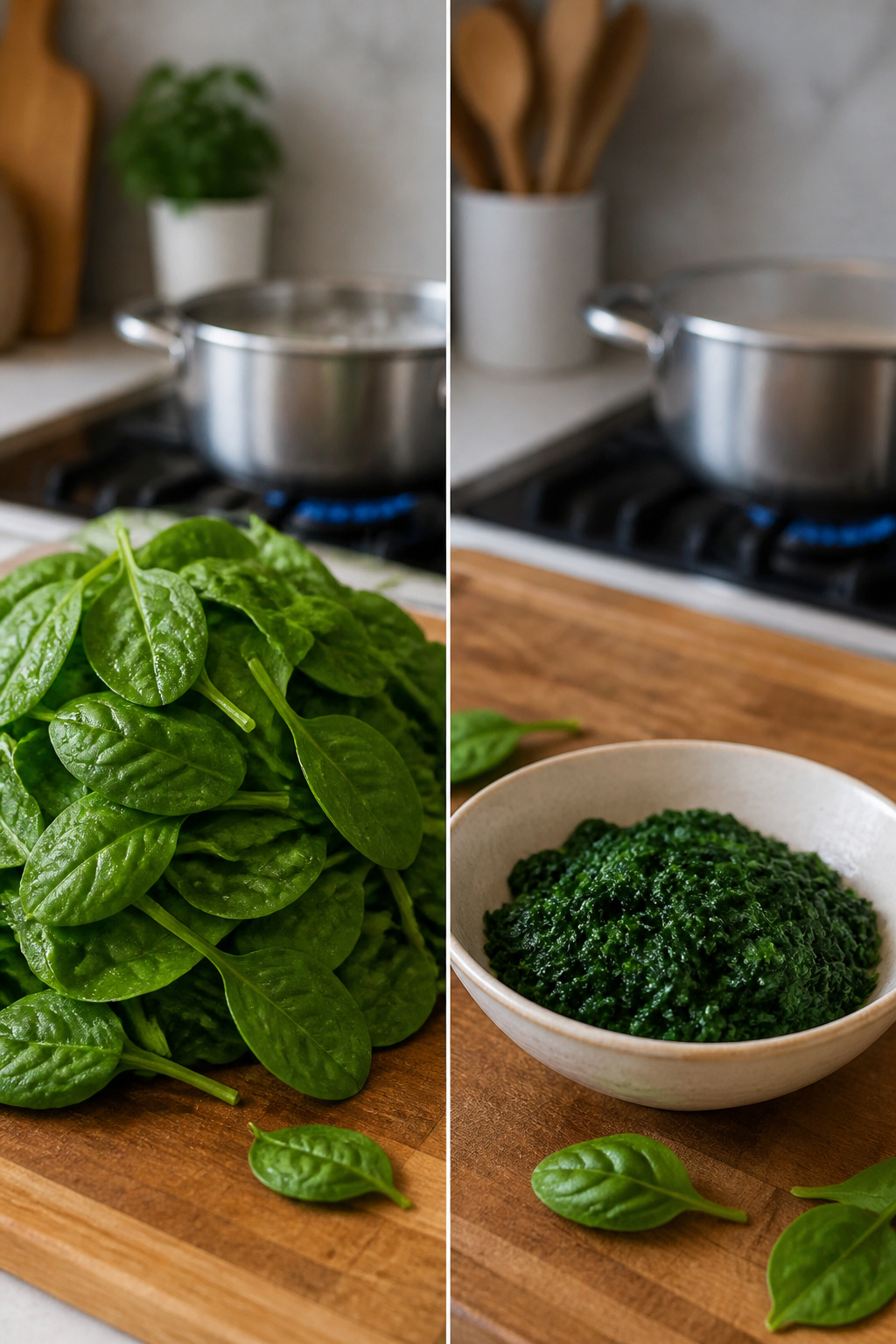
Fresh spinach wilts down fast and leaves a little texture in the finished dish, which is why I reach for it when the produce looks decent. The leaves collapse in the hot pasta water or the pan in under a minute, and you can skip the whole thawing step.
Frozen spinach works fine if you thaw it completely and squeeze it dry first. A 10-ounce package, once wrung out, lands you in the same neighborhood as a big bunch of fresh. Skip the squeezing and you end up with a watery sauce that the feta can’t save. I have made that mistake, and the pasta pools at the bottom of the bowl.
The New York Times version uses the frozen route and calls it a one-pot meal. That checks out: frozen spinach is a pantry staple you can keep for months, and on a weeknight when the crisper is empty, it gets you to dinner without a store run. Fresh wins on texture and speed; frozen wins on shelf life and price, but only if you commit to the squeeze.
Recommended Products

Origin: Greece
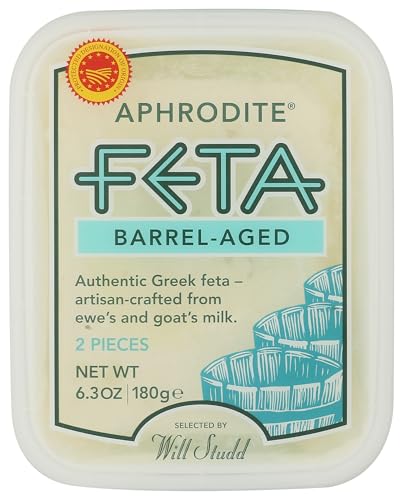
Remarkably smooth and tangy with rich, creamy mouthfeel and layered briny complexity.

The ultimate cheese for salads
Add Protein or Vegetables

The base recipe holds its own, but adding protein or vegetables turns it into a full plate without much extra work.
- Grilled chicken breast slices in at the end and soaks up the feta cream. Leftover rotisserie chicken works too; just warm it through so it does not cool the pasta.
- Shrimp cooks fast. Sauté them in the same pan after the garlic, pull them out while you wilt the spinach, then toss everything back together. The timing lines up neatly.
- White beans keep it vegetarian and add a creamy texture of their own. Rinse canned beans well so the starch does not muddy the sauce.
- Extra vegetables stretch the dish when the fridge is half empty. Asparagus, broccoli, or zucchini all fit; cut small and add with the spinach so they finish at the same pace. Frozen artichoke hearts are a pantry fallback.
One note from the sources: tomatoes, bell peppers, and nuts all work, but they change the character. Tomatoes add water; nuts add crunch where the original is soft throughout. Both are valid, just know what you are signing up for.
Recommended Products

One 10 oz. bag of Birds Eye Chopped Spinach Frozen Vegetables
One 12 ounce bag of Frozen Brussels Sprouts

What You Get: One 10 oz. bag of Birds Eye Protein Veggie Pasta with Alfredo frozen side
Frequently Asked Questions
What is the best pasta for spinach feta pasta?
Short pasta with ridges or tubes works best: penne, rigatoni, or fusilli. Rigatoni is the top pick because its wide, ridged tubes grab chunks of feta and spinach, while the hollows hold sauce inside each bite. Long strands like linguine let the creamy sauce slide right off.
Can I use frozen spinach instead of fresh?
Yes, but thaw it fully and squeeze out as much water as possible first. Skip the squeezing step and the sauce turns watery and grainy. Fresh spinach gives you more texture and structure; frozen spinach gives you a softer, smoother fold and a longer pantry life.
How do I store leftovers?
Keep leftovers in an airtight container in the refrigerator for up to 3 days. The pasta will soften as it sits, which happens with any sauced pasta, but the flavor holds up fine. You can also freeze it for up to 2 months.
Can I add protein to this dish?
Grilled chicken breast, shrimp, or white beans all work well. Sauté shrimp in the same pan after the garlic, then pull them out while you wilt the spinach. Leftover rotisserie chicken just needs warming through so it does not cool the pasta. White beans keep it vegetarian; rinse canned beans well so their starch does not muddy the sauce.