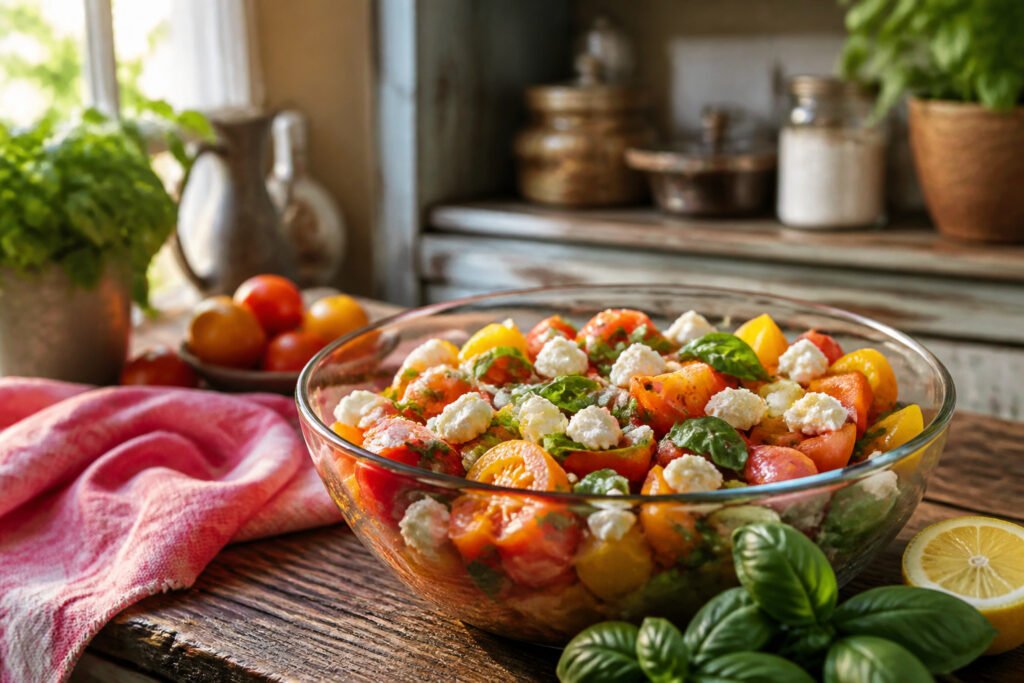
Tomato basil feta salad tastes like summer concentrated into a bowl: sharp feta, sweet tomatoes, and peppery basil held together by nothing more than oil and acid. The difference here is a 15-minute rest after dressing, which lets the garlic soften and the acid sink into the tomatoes instead of sitting on top. Two and a half pounds of tomatoes, a cup of packed basil, and twenty minutes total from cutting board to table. The catch is the second 15-minute wait, the one after tossing, when the tomatoes release their juices and the salad actually becomes itself. Miss that window and the basil wilts, the tomatoes go soft, and you are left with wet fruit and dark leaves.
What Is Tomato Basil Feta Salad

Tomato basil feta salad is a cold dish built from fresh tomatoes, basil leaves, feta cheese, and a simple dressing. The combination shows up most often in summer, when tomatoes and basil hit their peak, but the ingredients are available year-round and the salad comes together in minutes without any cooking.
It works as a side for grilled meats, holds its own as a light lunch, and travels well to potlucks and BBQs. The feta carries enough salt that the dressing stays simple, usually just oil and acid, which keeps the prep short and the cleanup minimal. Some versions add red onion for bite, or cucumber for crunch, but the core stays the same: ripe tomatoes, fresh basil, tangy feta, and enough dressing to coat without pooling.
Recommended Products


Prepare the Dressing

- Pour 1/3 cup olive oil into a small jar or bowl, then add 1 tablespoon apple cider vinegar and the juice from one lemon, which comes to about 2 tablespoons. Mince 1 clove of garlic and drop it in, plus a pinch of salt and a few grinds of black pepper.
- Shake the jar hard for 15 seconds, or whisk the bowl until the garlic bits are distributed and the liquids look slightly cloudy, not separated.
- Set the dressing aside for 15–20 minutes before you pour it over the tomatoes. That wait matters; the garlic softens and the acid mellows into something that will coat the tomatoes instead of sitting on top of them.
Recommended Products
Grown in United States
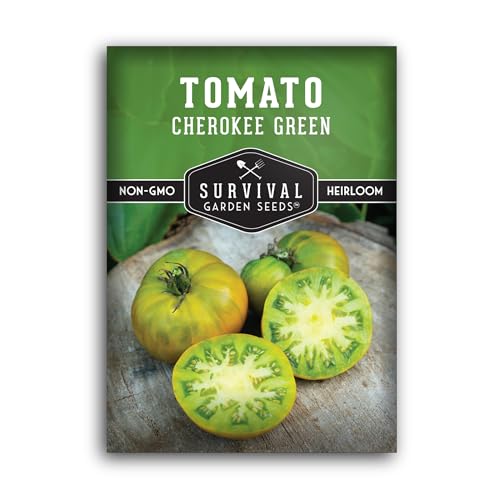
BEAUTIFUL GREEN HEIRLOOM TOMATOES – Cherokee Green produces large beefsteak-style tomatoes that ripen to a rich green hue with golden undertones and full-bodied sweet flavor

Selected and stored fresh
Cut the Tomatoes

- Start with 2 1/2 lbs of tomatoes total, which breaks down to about 1 lb of ripe large tomatoes and 2 cups of cherry tomatoes. The cherry tomatoes get halved; the large ones get cut into wedges by halving, then quartering, and slicing those quarters down the center if you want smaller pieces.
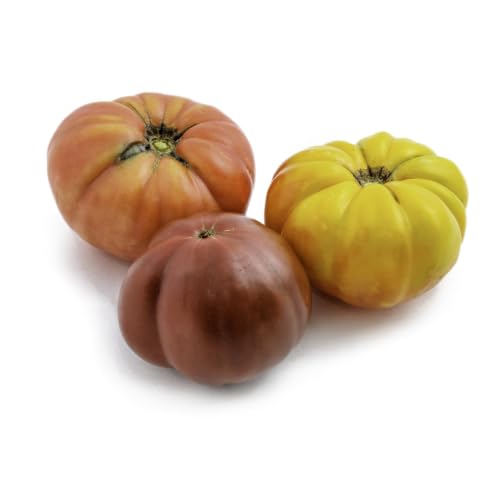
- Pick tomatoes that are ripe, firm, and fragrant near the stem. Skip anything with blemishes or soft spots. Heirloom varieties work well here if you find them.
- For the large tomatoes, I cut out the core first, then slice in half from stem to blossom end. That gives cleaner wedges than crosswise cuts, and they hold together better once dressed.
- Cherry tomatoes halve quickly. If some are smaller than others, I leave the tiny ones whole so they don’t turn to mush when tossed.
- The goal is pieces that fit on a fork without needing a knife at the table. Wedges about the size of a thumb, cherry halves face-up so they don’t weep onto the cutting board.
Recommended Products

BASIL LEAF - With a taste similar to anise and a strong, pungent, and sweet aroma, Sweet Basil Leaf combines well with various herbs like garlic, parsley, rosemary, oregano, thyme, and sage.

Organic Dried Basil Leaves - Cut & Sifted
Basil - Made from aromatic, organic basil leaves, this spice delivers a fresh, slightly sweet, and peppery flavor, perfect for adding depth to Mediterranean dishes.
Slice or Crumble the Feta

Feta carries the salt in this salad, and how you cut it changes the experience. Crumbling gives you 4 ounces of irregular pieces that cling to the tomatoes and catch the dressing. Thin slices, about 4 ounces laid across the top, keep the tang concentrated in bite-sized planes that look cleaner on the plate. I tend to crumble when the tomatoes are especially ripe and juicy; the feta breaks down slightly and becomes part of the dressing itself.
The standard block for this salad is 6 ounces total, which leaves you a little extra to taste and adjust. Feta packed in brine is saltier than the pre-crumbled kind, so if you buy the block and crumble it yourself, hold back on any added salt until the end.
Not everyone keeps feta on hand. Fresh mozzarella works for a milder, creamier salad, and goat cheese crumbles into smaller, softer bits that dissolve against warm tomatoes if you serve the salad slightly above fridge temperature. Both swap in at roughly the same weight, though neither gives you the sharp, preserved kick that makes the classic version taste Greek.
Recommended Products

The ultimate cheese for salads

Try some delicious crumbled feta on anything from a salad to a burger

Half the fat of traditional Athenos feta
Combine Tomatoes, Feta, and Basil

- Fresh basil is non-negotiable here, and the amount that works is 1 cup packed leaves. Dried basil belongs in a different dish entirely; it will not deliver the bright, almost peppery lift this salad depends on.
- Sweet basil, the Genovese type most stores stock, is the reliable choice. Persian basil, sometimes labeled anise or licorice basil, brings a sharper, lemon-edged note that some cooks reach for when tomatoes are at peak sweetness. Either one tears easily and bruises less than chopping.
- If you want a little bite, add 1/2 cup sliced red onion now, before the dressing goes on. The acid will mellow it slightly while the salad rests.
- Basil does two jobs: the aroma hits first, volatile oils released as you tear the leaves, and the taste follows, a clean herbal counterweight to the feta’s salt and the tomatoes’ sugar. Without it, the bowl is just salty cheese and wet fruit.
Recommended Products
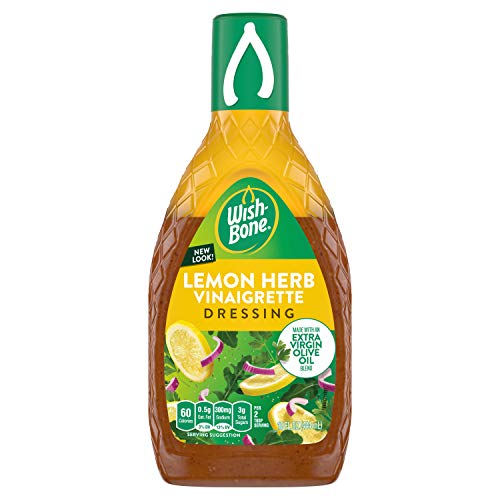
One 15 fl oz bottle of Wish-Bone Extra Virgin Olive Oil Blend Lemon Herb Dressing


Endless Cooking Possibilities: From salad dressings to high-heat cooking, this garlic-infused oil is the perfected infusion of fresh, aromatic garlic into organic sunflower oil. Can also use as a dipping oil!
Toss and Let Flavors Meld

Pour the dressing over the tomatoes, basil, and feta in a large bowl. Gently toss until everything is coated. The feta will break a little; that is fine.
Let the salad sit for 15 to 20 minutes so the tomatoes can release their juices and the vinegar has time to work. The salad improves in this window, but it does not keep improving. After 20 minutes the tomatoes go soft and the basil darkens.
Serve immediately, or refrigerate briefly if the kitchen is warm. I have left it in the refrigerator for the full 20 minutes when I wanted it cold, and that works. Either way, give it one more gentle toss before bringing it to the table, since the dressing settles.
Fresh Tomatoes Against Store-Bought

Ripe, in-season tomatoes are what every source pushes for this salad, and the gap between a late-August farmer’s market beefsteak and a February supermarket specimen is real. The in-season fruit smells like something, feels heavy, and carries a little give under your thumb. Midwinter grocery tomatoes can be watery and vaguely red, the kind that made me hate tomatoes as a kid before I tasted one off the vine.
Still, most weeknight cooks are not waiting for August. If you are shopping in February, cherry or grape tomatoes hold up better to shipping than large slicers, and halving them is enough prep. The salad works either way; it just works better when the tomato actually tastes like one.
| In-Season Fresh | Store-Bought (Off-Season) | |
|---|---|---|
| Flavor | Sweet, acidic, aromatic | Mild, often watery |
| Texture | Firm with slight give | Variable; may be mealy |
| Best cut | Wedges for large; halved for small | Halved cherry/grape recommended |
| Where to find | Local farm or backyard | Grocery produce aisle, year-round |
| Honest weeknight call | Worth seeking out in summer | Acceptable; choose smaller varieties |
Recommended Products

Tomatoes are ubiquitous in the American diet.

Non-GMO verified; a healthy choice for families

Selected and stored fresh
Cheese and Dressing Options

Feta is the cheese most recipes call for, and the saltiness matters more than the crumble. A 6-ounce block gives you control; pre-crumbled often sits in starch that dulls the tang. Fresh mozzarella turns the salad into a caprese cousin, mild and milky against the tomatoes, but it needs eating within the hour or it weeps. Goat cheese brings the same tartness as feta with a softer texture, though it coats the basil instead of letting it stay separate.
The dressing splits three ways. Balsamic is dark and sweet, good when tomatoes are underripe and need the help. Red wine vinegar stays sharp and clear, the choice when the tomatoes are August-ripe and the basil is peppery. Apple cider vinegar, used at about a tablespoon, gives the brightest acid; it works with lemon juice and zest when you want the tomatoes to taste more like tomatoes than like salad.
| Flavor | Texture | Choose when | |
|---|---|---|---|
| Feta | Salty, tangy | Crumbly, firm | Default; holds up to any vinegar |
| Mozzarella | Mild, milky | Soft, moist | Serving immediately; summer peak tomatoes |
| Goat cheese | Tart, earthy | Creamy, spreadable | Wanting a smoother bite |
| Balsamic vinegar | Sweet, dark | Syrupy | Underripe tomatoes, cooler weather |
| Red wine vinegar | Sharp, clean | Thin | Peak-season tomatoes, strong basil |
| Apple cider vinegar | Bright, fruity | Thin | With lemon; letting tomato flavor lead |
Recommended Products

Tulsi Pure Leaves (Loose Leaf) combines three adaptogenic varieties of Tulsi (Krishna, Rama, and Vana). Davidson's Tulsi Pure Leaves (Loose Leaf) is a light brew with earthy undertones and minty top notes.

NATIVE INGREDIENTS – Organic Basil

STRESS-RELIEVING ADAPTOGEN: Experience relief from stress and promote inner peace with Tulsi, an adaptogen revered for its millennia-long history of stress-relieving properties
Add-Ins and Seasonal Changes

The tomato basil feta salad holds up to almost any summer vegetable you have on hand. Two cups of cucumber slices, Persian or English, add crisp bulk without diluting the dressing. Corn kernels, cut fresh from the cob, sweeten the whole bowl and stretch it toward a light lunch. Arugula or leaf lettuce underneath turns the side into a plated salad. For crunch, toasted nuts or seeds work; for creaminess, avocado cubes do the job. Peaches are a less expected addition, but the acidity in ripe tomatoes draws out their sweetness in a way that surprised me the first time I tried the pairing. Feta can stay or go; the salad works without it, and a different cheese entirely changes the direction without breaking the dish. The dressing itself is forgiving, so the real limit is what looks good at the store that week.
Recommended Products

Great topping for salads

Try some delicious crumbled feta on anything from a salad to a burger

One 8.0 oz. tub of Athenos Traditional Feta Cheese Chunks
What to Serve It With

This salad moves between roles easily, and the best pairing depends on what the meal is trying to do.
- Grilled meats are the natural fit. Chicken, steak, lamb chops, or a slow roast all work; the sharp feta and acidic tomato cut through fat the way a proper side should. At Opa!, this sat on plates beside souvlaki and grilled lamb most nights on Lincoln Avenue, and the combination never lasted long enough to get cold.
- Light lunch needs nothing else. A bowl of this with crusty bread is a complete midday meal, especially if the tomatoes are ripe enough to produce real juice at the bottom worth dragging bread through.
- Potlucks and BBQs are where it earns its keep. It holds at room temperature better than mayonnaise-based salads, travels in the bowl you mixed it in, and the bright colors actually look intentional after twenty minutes in a car.
- Seafood plays well too. Spoon it over shrimp, salmon, halibut, or tilapia; the basil and tomato function almost like a cooked sauce, just fresher.
- Grains stretch it into something more substantial. Quinoa, farro, or couscous underneath turn a side into dinner without changing the dish itself.
Recommended Products
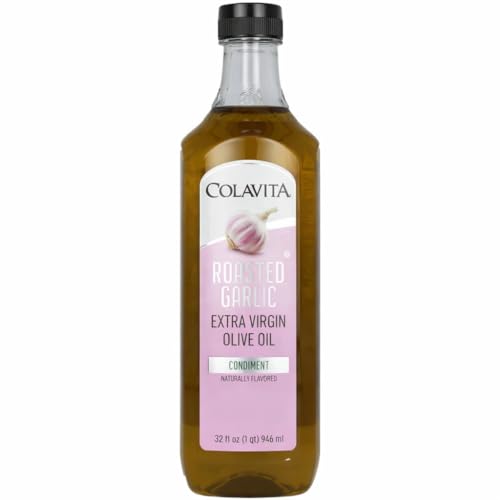
ROASTED GARLIC INFUSION: Cold pressed extra virgin olive oil blended with natural roasted garlic essence for a rich, mellow flavor that enhances everyday cooking.
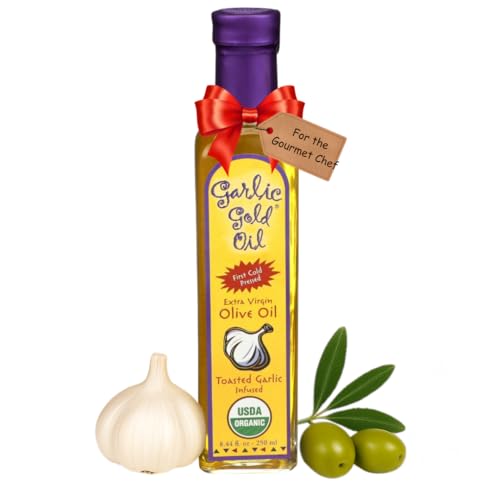
Garlic Gold's Garlic Infused Extra Virgin Olive Oil offers a hand-crafted artisanal experience that's widely recognized as the finest tasting garlic infused organic EVOO on the market.

Captivating Garlic-Infused Premium Extra Virgin Olive Oil by BASSO 1904
Storage and How Long It Keeps

Leftovers stay usable for up to two days in an airtight container in the refrigerator. After that the tomatoes start to weep and the basil darkens, so I plan portions with that window in mind.
The one detail that changes everything is temperature. Chilled tomatoes taste flat, so pulling the bowl from the fridge twenty minutes before eating gives the fruit time to recover its proper flavor. I do this even when I have made the salad ahead for a gathering; the wait is short and the difference is immediate.
No source I found addressed an ideal serving temperature directly, so I stick to what is confirmed: a short refrigeration period, then that brief counter rest.
Frequently Asked Questions
What tomatoes are best for salads?
Fresh, in-season tomatoes of any variety work best for a tomato basil feta salad. Heirloom beefsteaks, Sungolds, cherries, and zebras all bring good flavor if they are ripe and fragrant. If you are shopping off-season, cherry or grape tomatoes hold up better to shipping than large slicers.
How do I pick good tomatoes?
Choose tomatoes that are ripe, firm, and fragrant near the stem, with a little give under your thumb. They should feel heavy for their size and be free of blemishes or soft spots. Skip anything that smells like nothing or has split skin.
How do I cut tomatoes for salads?
For large tomatoes, cut out the core first, then slice in half from stem to blossom end and quarter them; slice those quarters down the center if you want smaller wedges. Halve cherry tomatoes, leaving the tiniest ones whole so they do not turn to mush when tossed.